
June 11, 2026
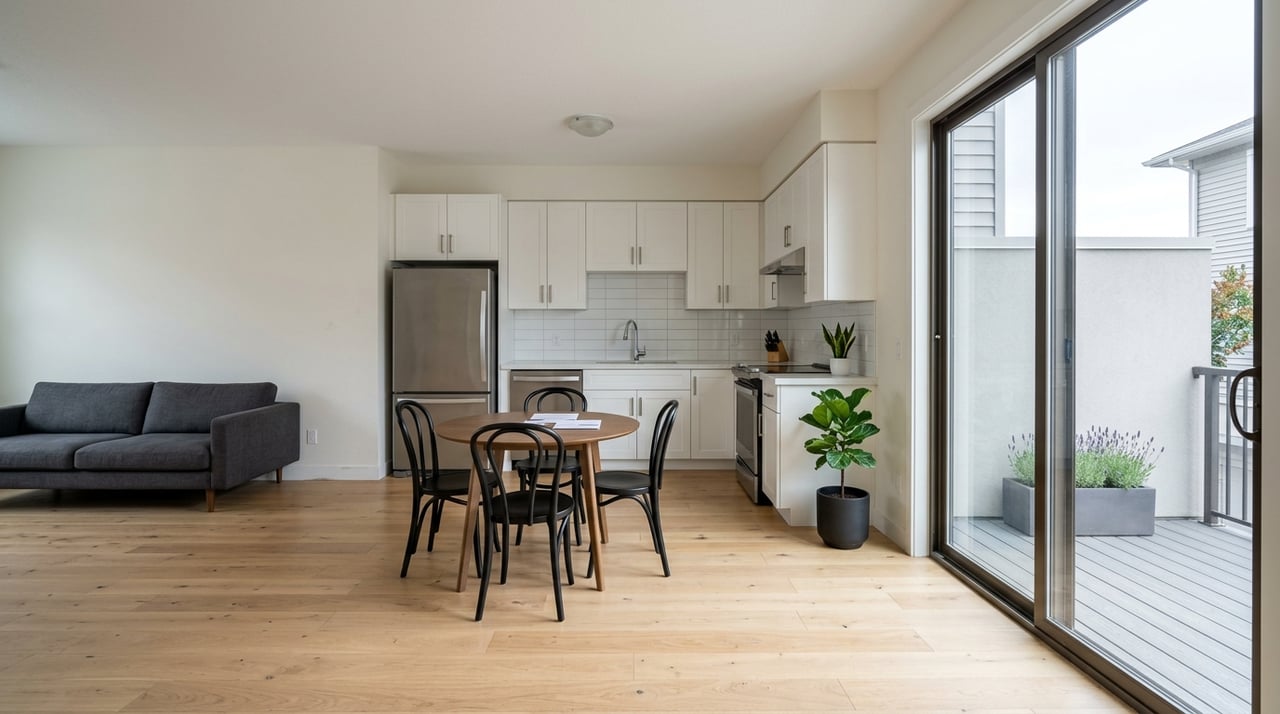
Buying your first home in Pacifica can feel like choosing between two good options with very different tradeoffs. You may love the idea of a detached house, but a condo or townhome might fit your budget and lifestyle better. In a fast-moving coastal market, the right choice usually comes down to more than price alone. This guide will help you compare condos, townhomes, and houses in Pacifica so you can make a smart first move. Let’s dive in.
Pacifica is not a one-size-fits-all market. According to U.S. Census QuickFacts, 67.7% of housing units were owner-occupied in 2020 through 2024, which reflects a city with a strong ownership base. That can make first-home decisions feel especially important because many buyers are planning for the long term.
It is also an expensive market where monthly costs matter. Zillow’s April 2026 snapshot puts typical Pacifica home values at $1,277,575, with a median sale price of $1,320,667. Homes also moved quickly, with a median of 13 days to pending, and 82.3% of sales closed above list price.
In other words, your first question should not be, “Do I want a condo or a house?” A better question is, “Which option gives me the best balance of cost, control, and upkeep for the way I want to live in Pacifica?”
Pacifica has historically been dominated by detached homes. The city’s earlier housing data reported 73% single-family detached housing, compared with a much smaller share of attached housing and larger multi-unit buildings. That helps explain why many buyers start their search thinking a house is the default goal.
At the same time, the city’s 2023 to 2031 Housing Element sets a framework for 1,892 additional units during that planning period. That does not mean detached homes are disappearing, but it does mean buyers may continue to see more attached and higher-density options over time.
For you, that creates a practical choice. A detached house may offer the classic Pacifica ownership experience, while a condo or townhome may offer a more accessible way to enter the market.
Before you compare listings, it helps to understand how California defines these property types. The California Department of Real Estate explains that a condominium owner owns an individual unit plus a shared interest in common areas. In a planned development, an owner usually owns a home on a separate lot and also has rights to common areas.
This matters because the label on a listing does not always tell the full story. The California DRE notes that subdivision labels are legal categories, not reliable clues to how a property looks. A home that appears detached may still be legally part of a condo or planned development.
That is why first-time buyers in Pacifica should look beyond marketing language. The legal documents tell you more than the photos ever will.
For many first-time buyers, condos and townhomes offer a practical entry point. They often come with a lower purchase price than many detached houses, and they can reduce the amount of exterior maintenance you handle yourself. If you like the idea of shared upkeep and a more structured ownership setup, this can be appealing.
But that convenience comes with rules and shared decision-making. In a common interest development, HOA membership is automatic, and the HOA uses CC&Rs, budgets, rules, and assessments to manage shared property. That means your day-to-day ownership experience includes both benefits and limits.
A condo or townhome can make sense if you want less direct responsibility for roofing, exterior repairs, or common-area upkeep. It may be a tougher fit if you want full control over exterior changes, landscaping, or how the property is maintained.
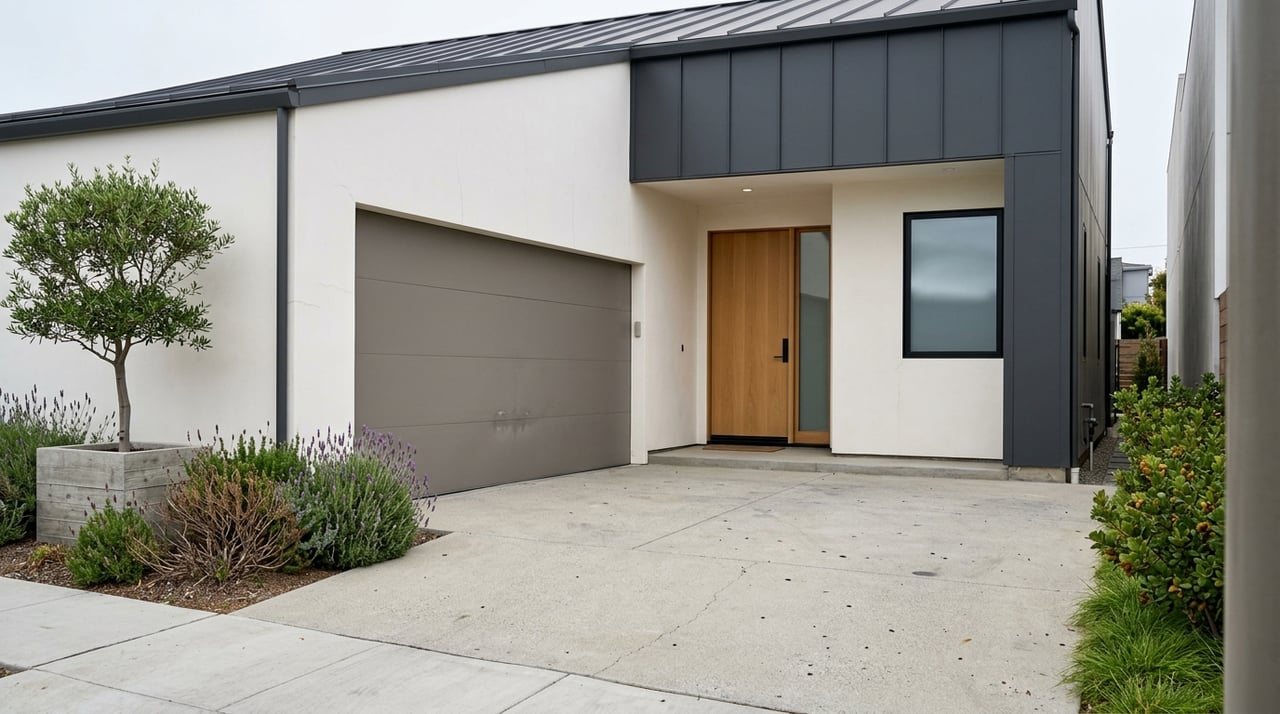
A detached house usually gives you more control over the lot and exterior decisions. If you want privacy, outdoor space, or the freedom to remodel and expand, a house may line up better with your long-term goals. That kind of flexibility is a big reason many buyers are drawn to single-family homes.
Still, more control usually means more direct responsibility. In Pacifica, that can include maintenance tied to older housing stock, coastal weather, and site-specific conditions. You are less likely to deal with HOA rules, but you are more likely to handle repair planning and upkeep decisions on your own.
That does not make a house better or worse. It simply means the tradeoff is different.
In Pacifica, the smartest comparison is not just purchase price. It is total monthly carrying cost.
U.S. Census QuickFacts reports median selected monthly owner costs with a mortgage of $3,850. That figure helps show why first-time buyers need to look carefully at every piece of the payment, especially in a high-cost market.
For condos and many townhomes, HOA dues are a major part of the equation. Those dues are usually paid directly to the HOA, not rolled into your mortgage payment. If you only compare loan estimates and ignore HOA dues, you may underestimate what ownership will really feel like each month.
The HOA budget matters too. The California DRE explains that HOA budgets fund operating costs, reserves for major replacements, administration, and contingency planning. Special assessments may also be charged for major repairs, replacements, new construction, or other unexpected expenses.
That means a lower-priced condo is not automatically the cheaper choice over time. A detached house may have no HOA dues, but it may bring more direct maintenance costs. A condo may reduce some exterior repair burden, but you need to understand the dues, reserves, and risk of future assessments.
Your budget should also include local property tax realities. San Mateo County explains that supplemental property tax bills can be issued after a change in ownership or new construction. The county also notes that the rate is usually 1% plus voter-approved indebtedness, and those bills may arrive after escrow closes.
That is important for first-time buyers because the first mortgage estimate may not capture every tax-related cost in the first year. If you stretch too far on the purchase itself, those later bills can feel like a surprise.
A safer approach is to build a cushion into your monthly plan. In Pacifica, that can help you avoid becoming house-rich and cash-tight.
If you are considering a condo, townhome, or any common interest development, due diligence is a big part of the decision. Under California Civil Code section 4525, sellers must provide key documents, including governing documents, the latest HOA financial and disclosure packet, current regular and special assessments, unresolved violation notices, defect disclosures, and any rental restriction statement.
California Civil Code section 4530 also requires the association to provide requested copies within 10 days. For you, the takeaway is simple: review the HOA package carefully before removing contingencies.
Pay close attention to a few items:
A well-run HOA does not guarantee a perfect experience, but weak reserves or major deferred work can change the math fast.
In Pacifica, the street and site can matter just as much as whether the property is a condo or a house. The city says it is dealing with coastal erosion, flooding, and severe storms along its six-mile shoreline. It also notes that evacuations of bluff-top homes have been necessary.
The city states that the Coastal Zone boundary generally includes land west of Highway 1. Planning documents also note that projects in the coastal zone may need to be consistent with the Local Coastal Land Use Plan and may require a Coastal Development Permit under the California Coastal Act.
For first-time buyers, this means you should not assume every home carries the same level of exposure or the same path for future improvements. A detached house near the coast may offer space and privacy, but the site itself may raise bigger questions about hazards, maintenance, and permitting.
Pacifica also notes that much of its coastal-zone housing stock is among the oldest in the city and includes a large share of naturally affordable housing. That does not mean older homes are a bad choice. It does mean you should look closely at upkeep, deferred maintenance, and the likely cost of future repairs.
This is where condos and townhomes can sometimes appeal to first-time buyers. Shared building management may shift some exterior responsibility away from you. But in exchange, you need to evaluate the HOA’s financial health and whether major building work could lead to future assessments.
In short, neither option removes risk. It just changes where that risk sits.
If you are deciding between a condo and a house in Pacifica, start with three categories: control, maintenance, and monthly cost.
| Factor | Condo or Townhome | Detached House |
|---|---|---|
| Control | Less control over shared areas and some exterior decisions | More control over lot, exterior, and improvements |
| Maintenance | Shared upkeep through HOA structure | More direct owner responsibility |
| Monthly cost | Mortgage plus HOA dues, taxes, and possible assessments | Mortgage, taxes, insurance, and direct repair costs |
| Flexibility | Depends on HOA rules and documents | Usually more freedom to remodel or expand |
| Pacifica risk review | Check HOA reserves, assessments, and building condition | Check site conditions, hazards, and deferred maintenance |
This framework helps keep the decision grounded in real life. The best first home is not the one that sounds most impressive. It is the one you can afford, maintain, and enjoy with confidence.
As you narrow your options in Pacifica, ask yourself:
Those questions can help you move past the surface-level comparison. In Pacifica, the right answer is usually the one that fits your time horizon, budget, and comfort with responsibility.
For some buyers, a condo or townhome is the smartest way into Pacifica. It can offer a lower entry point, less direct exterior maintenance, and a structure that feels manageable for a first purchase. For others, a detached house is worth the added cost and responsibility because it offers more space, privacy, and long-term control.
The key is to compare the full ownership picture, not just the listing price or the photos. In Pacifica, that means weighing legal structure, HOA health, monthly cost, site conditions, and future upkeep together.
If you want help comparing Pacifica condos, townhomes, and houses with a clear eye on budget, risk, and long-term fit, Nick Villanueva can help you navigate the options with local insight and a first-time buyer-friendly approach.
Explore additional blogs for helpful tips and real estate knowledge.
Partner with Nick Villanueva for expert guidance, trusted service, and results that matter.
GET IN TOUCH

NICK VILLANUEVA | CA DRE# 02147224
ADDRESS 2 TOWER PL STE 1380 SOUTH SAN FRANCISCO CA 94080