
July 23, 2026
Wondering whether a townhome or a single-family home makes more sense in Daly City? You are not alone. In a market where price, space, commute, and monthly costs can vary a lot by property type, the right choice often comes down to how you want to live day to day. This guide will help you compare the tradeoffs in Original Daly City so you can make a more confident move. Let’s dive in.
Daly City’s layout shapes the home search more than many buyers expect. It is a coastal, hilly city, and that geography affects where attached and detached homes tend to cluster.
In and around Original Daly City, attached housing is more common, especially in areas east and south of Daly City BART. Detached neighborhoods are more common to the west, where lots are typically larger and the street pattern feels more suburban. If transit access is high on your list, this location pattern can be a major part of your decision.
One of the clearest differences is price. Current Daly City market data shows a median sale price of $1.31 million for single-family homes and $605,000 for condos and townhomes.
That gap can make attached housing look like the obvious value play. For many buyers, it does stretch purchase power further. Still, the lower purchase price does not always mean a lower monthly cost once you factor in HOA dues, property taxes, and ongoing maintenance.
Single-family homes and attached homes are not always moving at the same pace. In Daly City, the median days on market is 12 days for single-family homes and 40 days for attached homes.
That can create different buying experiences. A detached home may require faster decision-making in a competitive setting, while attached homes may sometimes offer a little more breathing room for comparison. That does not guarantee an easier negotiation, but it can affect your timing and strategy.
A lot of buyers assume a townhome is a specific ownership type. In California, it is not. The term townhome describes how a property looks, not the legal structure behind it.
That means a townhome-style property could be a condominium, a planned development, or another type of common-interest property. The legal setup matters because it affects what you own, what you share, and what rules or fees come with the property.
In a common-interest development, you may own a lot, a unit, or a right to use certain areas, along with access to shared common areas. California also requires common-interest developments to have a homeowners association.
So, two homes that look nearly identical from the street can come with very different obligations. One may have shared maintenance, reserve funding, and HOA rules, while the other may place far more responsibility directly on you as the owner.
If you are considering an attached home, the paperwork matters. Buyer materials for California subdivisions note that HOA matters, assessments, common area information, and title issues such as CC&Rs, easements, taxes, and special fees should be disclosed before you sign a contract in a new subdivision context.
For you, the practical takeaway is simple: do not compare homes by floor plan alone. Make sure you understand dues, rules, reserve funding, shared maintenance, and any limits that could affect your use of the property.
If privacy is your top priority, a single-family home often has the edge. Detached homes usually offer more separation from neighbors, more direct control over the lot, and a stronger sense of independence.
Townhomes can still work well if you want functional space without taking on a larger property. In Original Daly City, that often means a more compact setup that may fit a lower-maintenance lifestyle, especially for buyers who care more about location and efficiency than yard size.
A detached home is more likely to include a true private yard. That can offer more flexibility for storage, pets, outdoor use, or future changes.
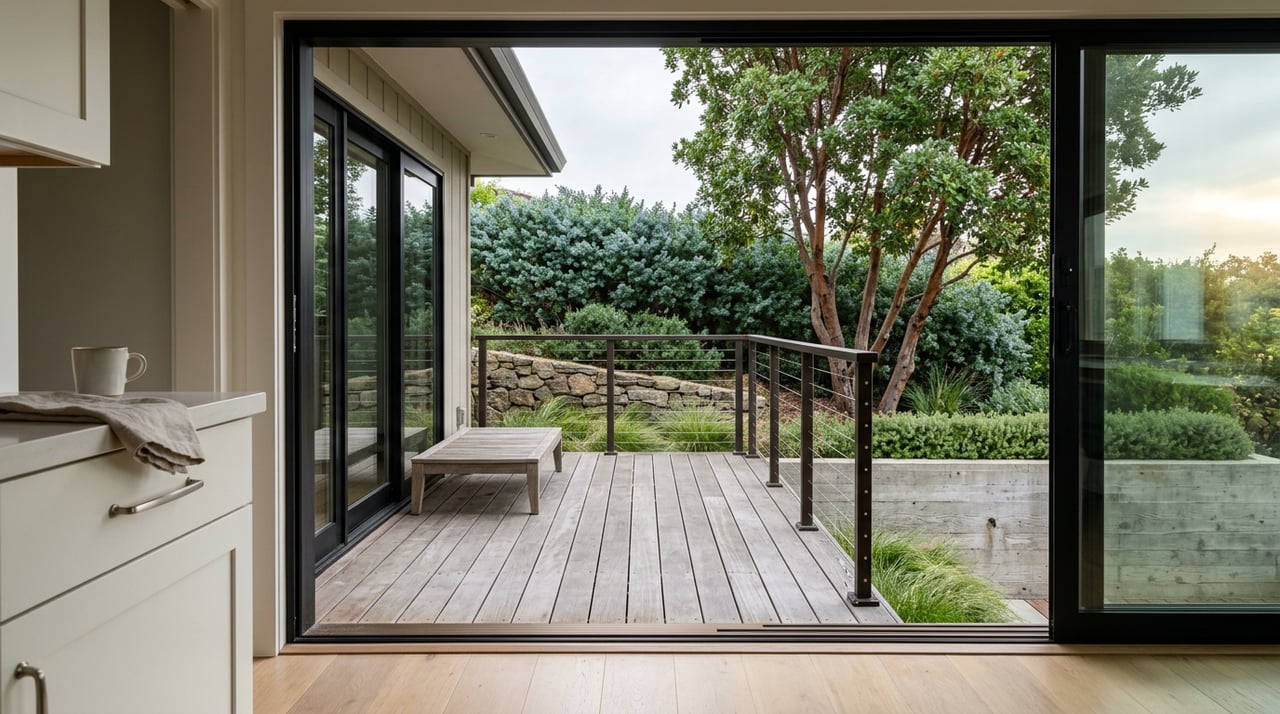
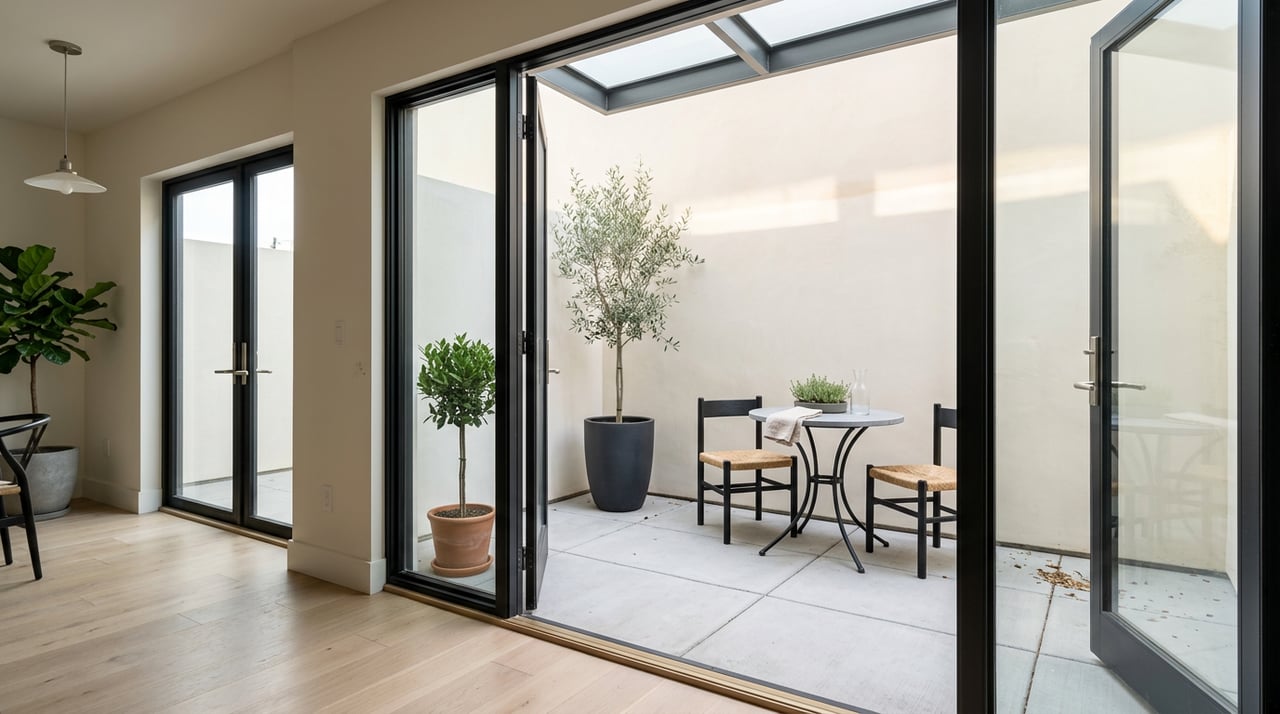
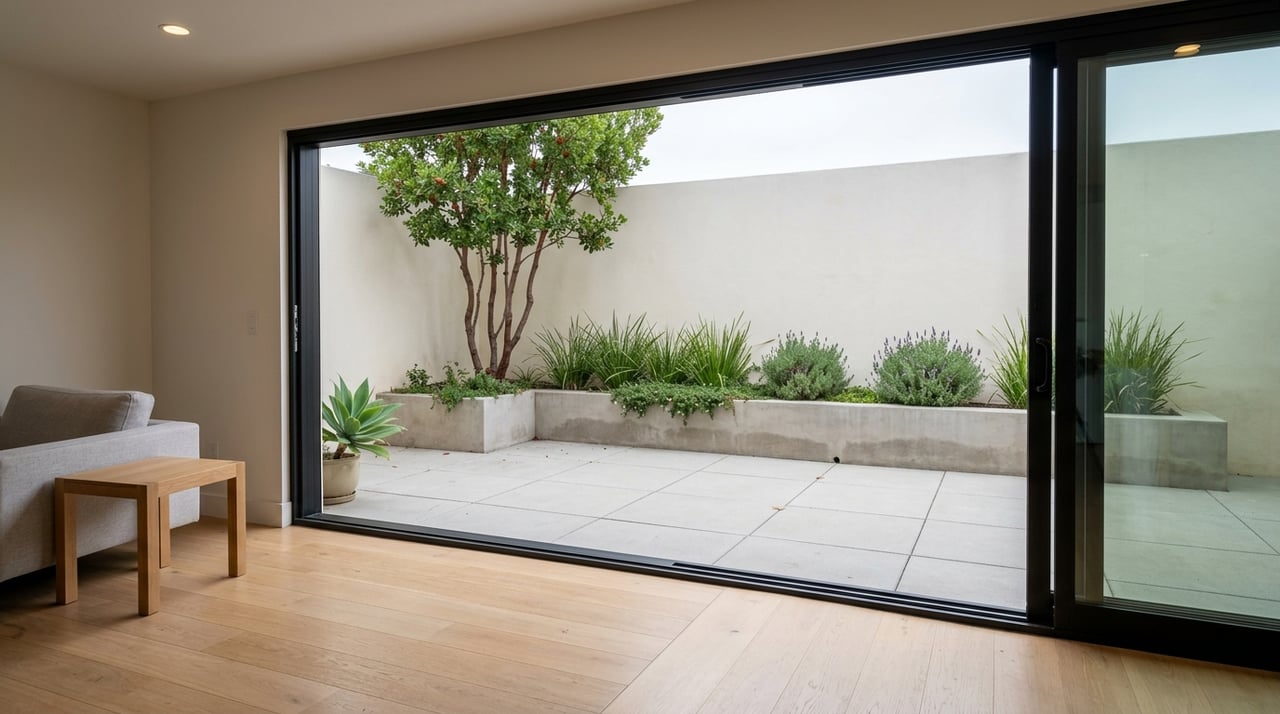
With an attached home, outdoor areas like patios, balconies, or driveways may be designated as exclusive-use common area rather than land you fully own separately. You may still get usable outdoor space, but your control over it may be more limited than it first appears.
For many buyers, maintenance is where the decision becomes real. A townhome often shifts more shared upkeep to the HOA, which can be appealing if you want less exterior responsibility.
HOA budgets commonly cover operating costs, reserves, administration, contingency items, and common-area maintenance. If regular dues are not enough, the HOA can also levy special assessments for major repairs or unexpected costs.
Because Daly City is hilly, exterior upkeep can be more than routine yard work. Slope-related maintenance, drainage, and usable flat outdoor space can all affect how practical a property feels over time.
That makes attached housing especially appealing for some buyers. If you would rather spend less time managing exterior issues, a townhome may be a better fit. If you want more control over the property and are comfortable with the upkeep, a single-family home may feel more worthwhile.
It is easy to compare only purchase prices, but that can lead to the wrong conclusion. In San Mateo County, property taxes are generally based on assessed value multiplied by the tax rate, usually 1% plus voter-approved indebtedness, with special charges added by local districts and cities.
The county also notes that a new owner may receive supplemental tax bills after a change in ownership. That means your real monthly cost should include more than principal and interest.
When comparing a Daly City townhome to a single-family home, look at:
This approach gives you a more realistic side-by-side comparison. In some cases, a lower-priced townhome may still feel expensive once dues are added. In other cases, the reduced maintenance burden may make the overall value worth it.
Your needs may change after you buy. That is why long-term flexibility matters just as much as the initial payment.
Detached homes usually offer more freedom for remodels, additions, yard changes, and other lifestyle changes over time. Attached homes are more likely to be governed by CC&Rs, design review, and shared-wall considerations that can limit what you can do.
If you want maximum autonomy, a single-family home often gives you more room to adapt. If you prefer a simpler ownership experience and are comfortable with community rules, a townhome may still be the better match.
The key is to choose based on how you plan to live, not just how the property looks on showing day. In Daly City, that difference can be especially important because homes that seem similar upfront may offer very different ownership experiences.
There is no universal winner between townhomes and single-family homes in Original Daly City. The better choice depends on your budget, your tolerance for maintenance, your need for privacy, and how much flexibility you want over time.
A townhome may be a strong fit if you want a lower entry price, easier access to transit-oriented areas, and less exterior upkeep. A single-family home may be a better fit if you value privacy, yard space, and greater control over the property.
If you are weighing both options, the smartest next step is to compare specific homes through the lens of ownership structure, monthly cost, and long-term fit. If you want a local, clear-eyed perspective on Daly City options, connect with Nick Villanueva for guidance tailored to your goals.
Explore additional blogs for helpful tips and real estate knowledge.
Partner with Nick Villanueva for expert guidance, trusted service, and results that matter.
GET IN TOUCH
NICK VILLANUEVA | CA DRE# 02147224
ADDRESS 2 TOWER PL STE 1380 SOUTH SAN FRANCISCO CA 94080