
May 28, 2026
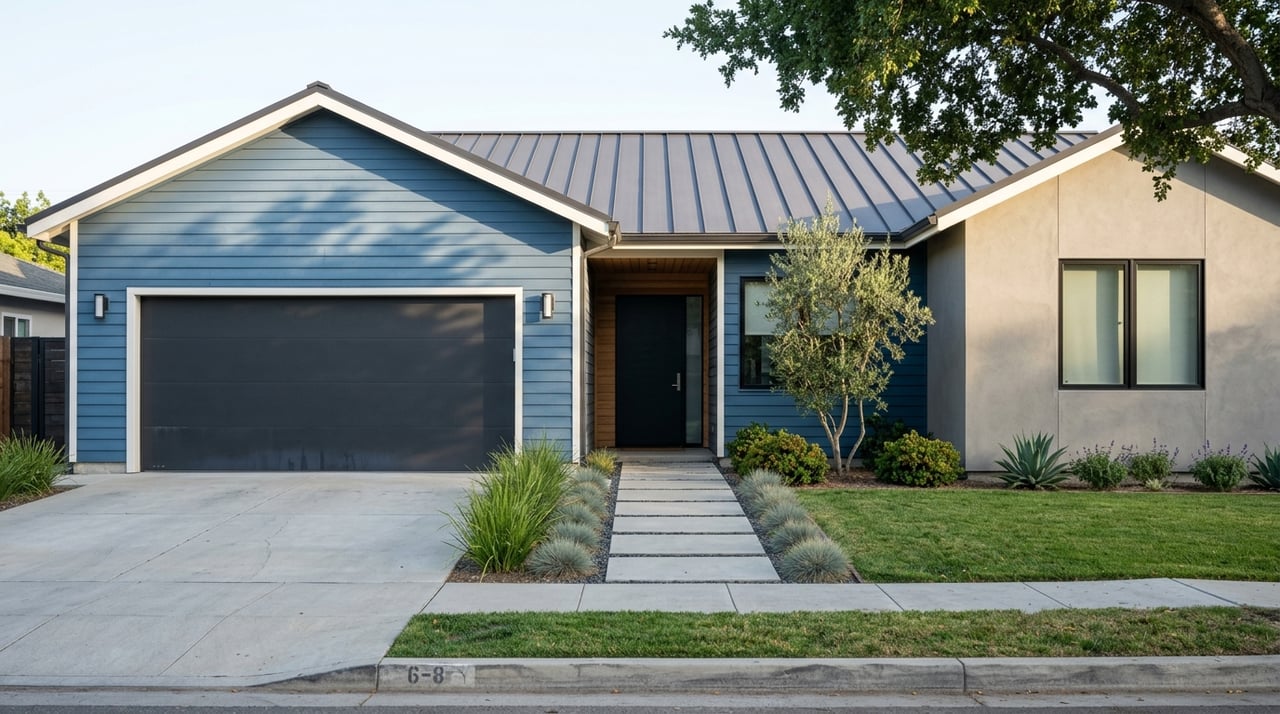
If you are thinking about buying in San Mateo, you have probably already noticed one thing: this city packs a lot of variety into a relatively small area. A condo near downtown, a townhome in Bay Meadows, and a detached home in Baywood can offer very different budgets, layouts, and day-to-day experiences. This guide will help you understand how San Mateo neighborhoods and home types compare so you can narrow your search with more confidence. Let’s dive in.
San Mateo remains a relatively tight, competitive market. Recent 2026 data from major housing portals places the city’s median sale or value range roughly between about $1.5 million and $1.69 million, with homes often going pending in about 12 to 13 days and many properties drawing multiple offers.
That said, it helps to treat citywide numbers as a range, not one exact benchmark. Redfin, Zillow, and Realtor.com measure different things, including sold prices, home values, and listing prices. When you shop in San Mateo, neighborhood-level comparisons usually tell you more than a citywide headline.
San Mateo has a mix of older single-family neighborhoods, east-side areas with broader price variation, and transit-oriented districts with more condos and townhomes. The city’s planning framework helps explain that pattern, with higher-density housing more common near downtown, major streets, and Caltrain stations.
That matters because your search may change fast depending on the home type you want. If you want a detached home, your options and price points will look very different from someone shopping for a condo near downtown or a townhome close to the rail corridor.
It is also worth remembering that neighborhood and HOA maps are for planning and reference. The city notes that boundaries are self-reported and not guaranteed, so you should verify the actual block, parcel, HOA details, and school boundaries before relying on an online neighborhood label.
Downtown San Mateo is the city’s clearest urban core. City code describes it as a compact, walkable environment with ground-floor retail and higher-intensity residential development than many other parts of the city.
For buyers looking for a more approachable entry point, downtown often stands out. Available data places Downtown San Mateo and the Central Business District below many detached-home neighborhoods, making this area especially relevant if you want condo living, a more urban setting, or a lower starting price than west-side single-family areas.
Bay Meadows is one of San Mateo’s most important transit-oriented communities. City plans and design standards describe a neighborhood built to reduce vehicle reliance, with product types that include apartments, condominiums, lofts, townhouse or rowhouse homes, and small-lot single-family homes.
If you want a newer-construction feel and a broader mix of attached housing, Bay Meadows is often a strong fit. Pricing generally sits in the mid-to-upper range compared with some entry-level condo areas, so many buyers look here when they want more modern design and a balance between space and lower maintenance.
North Central is one of the first places many budget-conscious buyers compare. It includes older condo stock and communities like Woodlake Condominiums, and recent listing data places North Central among the lower current asking points in San Mateo.
If your goal is to enter the market without stretching into detached-home pricing, this area deserves a close look. It can make sense for buyers who are prioritizing monthly affordability, especially when compared with higher-priced west-side neighborhoods.
Hillsdale, Hayward Park, Sunnybrae, Fiesta Gardens, and San Mateo Terrace often appeal to move-up buyers who want a middle ground. These neighborhoods tend to offer a blend of space, commute convenience, and resale appeal without always reaching the top pricing seen in premium west-side areas.
In practical terms, these are neighborhoods many buyers compare side by side. If you want a detached home and a more residential feel, but do not want to jump straight to the city’s highest-priced enclaves, this group often forms the core of your shortlist.
Baywood, Baywood Park, Baywood Knolls, and Aragon sit toward the premium end of San Mateo’s detached-home spectrum. These areas are useful reference points if you are looking for larger lots, established character, and a more classic single-family setting.
Current neighborhood values show how wide the spread can be. Aragon is around the low-$2 million range in Zillow data, while Baywood Knolls is well above that, showing just how competitive the upper tier of San Mateo can be for detached homes.
The east side gives buyers some of the broadest price diversity in San Mateo. Shoreview-Parkside, North Shoreview, South Shoreview, Marina Lagoon, and San Mateo Village are all important reference points if you want more options across different budgets and home styles.
That range is useful if you are still testing what matters most. Some buyers start here because they want a detached home at a price that may be more approachable than west-side premium neighborhoods, while others focus on specific pockets for layout, lot size, or convenience.
If you are shopping for a condo, the strongest local search zones are usually Downtown San Mateo, North Central, Woodlake, and Bay Meadows or nearby station areas. These locations line up with the city’s planning pattern, where medium- and higher-density housing tends to cluster near downtown and transit.
With condos, purchase price is only part of the picture. You will also want to compare monthly HOA fees, transit access, distance to work and daily errands, building age, and time on market. In San Mateo, two homes with similar prices can feel very different once monthly carrying costs are factored in.
Townhomes are often a sweet spot for buyers who want more room than a condo but less maintenance than a detached house. Bay Meadows is one of the clearest examples in San Mateo because the city’s standards there specifically include townhouse and rowhouse forms.
If your wish list includes multiple levels, flexible living space, and a more modern layout, a townhome may give you the best compromise. This category can work especially well for buyers who want space for guests, work-from-home setups, or a longer ownership horizon without stepping fully into the detached-home market.
Detached single-family homes remain one of the most limited and competitive product types in San Mateo. The city’s historical housing study notes that San Mateo was long dominated by single-family homes, but vacant land is now limited and multifamily redevelopment has increased.
That helps explain why detached neighborhoods often command higher prices. If you are focusing on areas like Baywood, Aragon, San Mateo Park, Hillsdale, Fiesta Gardens, or Westwood Knolls, expect tighter supply and stronger competition than you may see in condo-heavy areas.
A simple way to frame your search is to compare neighborhoods in broad pricing bands. Based on current research, Downtown San Mateo, North Central, Woodlake, South Shoreview, and Marina Lagoon tend to be among the more approachable comparison points.
The middle group often includes Shoreview, Sunnybrae, Baywood, Beresford Park, Hillsdale, Fiesta Gardens, and Hayward Park. At the higher end, buyers often compare Aragon, Baywood Knolls, Sugarloaf, and Westwood Knolls.
These are not hard rules, and your actual budget fit will still depend on condition, lot size, HOA costs, and down payment. Still, this kind of ladder can help you decide whether you should focus on entry-level attached housing, a middle-band detached home, or a premium single-family search.
San Mateo buyers often tour homes across very different neighborhoods in a short period of time. That can make listings blur together unless you use a consistent system.
A practical checklist should include:
Taking photos and notes at each showing can save you from second-guessing later. This is especially helpful when you are comparing a downtown condo, a Bay Meadows townhome, and a detached home in Hillsdale or Shoreview in the same week.
Open houses and virtual tours are helpful, but they are only a first filter. They can tell you whether a home feels promising enough to pursue, but they should not replace deeper review.
Once you are serious about a property, inspection matters. Buyers should strongly consider an independent inspection, and key items usually include the structure, plumbing, electrical, HVAC, ventilation, roofing, foundation, windows, doors, and possible pest issues.
If possible, attend the inspection and ask which repairs are immediate, near-term, or longer-term. That kind of clarity can help you decide whether a home’s condition truly matches its listing photos and asking price.
Real estate portals often show different numbers for the same city, and San Mateo is a good example. One site may emphasize sold-price trends, another may focus on estimated home values, and another may highlight current listing prices and sale-to-list ratios.
That is why the best approach is to compare like with like. Instead of relying on one headline number, look at active listings, sold comparable homes, and neighborhood-specific data together. A home that seems expensive on one portal may simply be shown through a different metric.
If you want to move from browsing to a real plan, start with three questions. First, which matters more right now: home type, monthly payment, or location? Second, are you open to attached housing if it puts you in a stronger long-term position? Third, do you want the newest possible home, or would you trade age for price or lot size?
Those answers usually point you in the right direction. Buyers who want a lower entry point often start with downtown, North Central, or other condo-heavy areas. Buyers who want more room without full detached-home pricing often look closely at Bay Meadows and similar townhome options. Buyers prioritizing classic single-family living often compare Hillsdale, Hayward Park, Fiesta Gardens, Baywood, and Aragon.
Buying in San Mateo is less about finding the one perfect citywide average and more about matching the right neighborhood and home type to your goals. If you want help sorting through the trade-offs, comparing micro-markets, or finding the right fit on the Peninsula, connect with Nick Villanueva.
Explore additional blogs for helpful tips and real estate knowledge.

Partner with Nick Villanueva for expert guidance, trusted service, and results that matter.
GET IN TOUCH
NICK VILLANUEVA | CA DRE# 02147224
ADDRESS 2 TOWER PL STE 1380 SOUTH SAN FRANCISCO CA 94080