
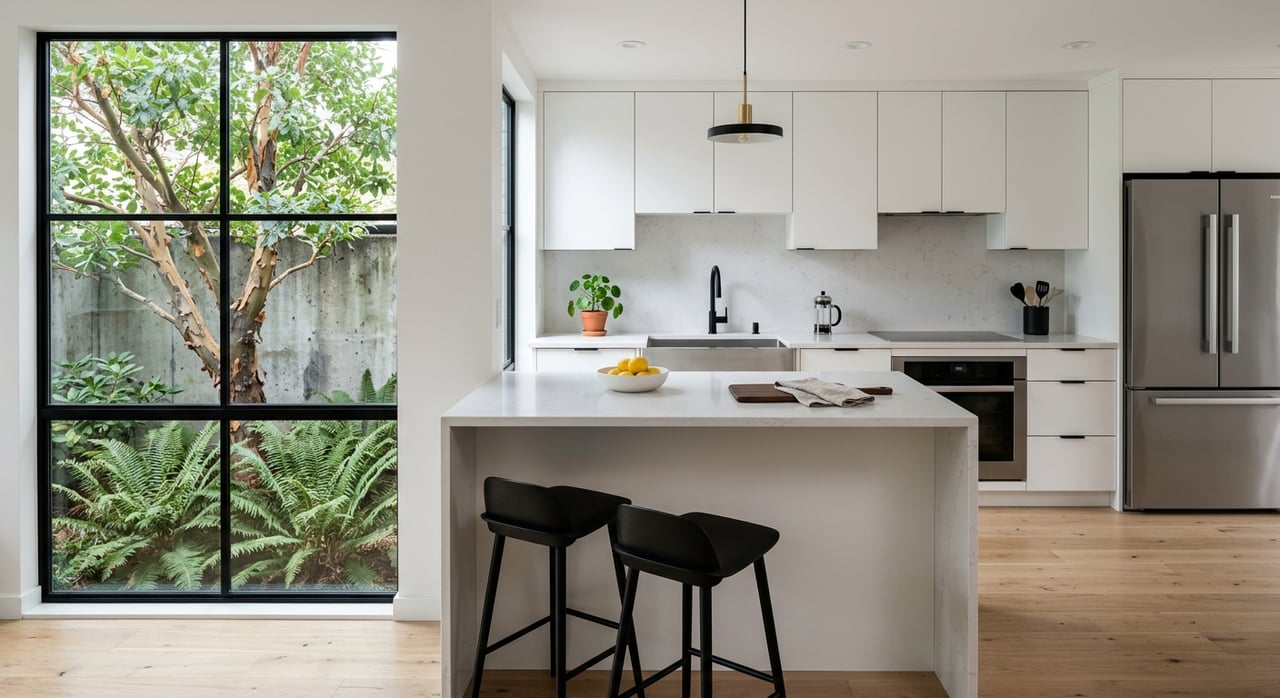
July 9, 2026
You can still get strong results in San Francisco, but you cannot rely on the market to do all the work for you. Buyers are moving fast, comparing every new listing closely, and deciding within days whether a home feels worth pursuing. If you want your sale to stand out, you need the right mix of preparation, pricing, and presentation from day one. Let’s dive in.
San Francisco remains a highly competitive seller market, but that does not mean every listing performs the same. Redfin reports that over the three months ending May 2026, homes sold in about 14 days on average, received around 4 offers, and reached a median sale price of $1,698,983.
MLSListings’ March 2026 San Francisco County summary shows even tighter conditions for single-family homes. The median price was $2.15 million, homes sold in 11 days, and the average sale reached 123% of list price, with inventory down 30% from March 2025.
What does that mean for you as a seller? In a fast-moving market with limited inventory, buyers pay attention to the details. A polished launch can create urgency, while a weak first impression can reduce interest right when your listing is freshest.
If you are wondering how much prep is enough, start with the basics that matter most. NAR’s 2025 staging research suggests a practical order: declutter, correct obvious property issues, and then stage the rooms buyers notice first.
That approach also lines up with how many sellers actually prepare their homes. In the same report, 51% of sellers’ agents said they did not fully stage before listing and instead advised sellers to declutter or fix faults first.
For many San Francisco sellers, that means focusing on visible improvements instead of over-renovating. A deep clean, minor repairs, fresh presentation, and a plan for strong listing visuals can go a long way in a market where buyers make quick comparisons.
Before your home goes live, pay close attention to anything that distracts from the space itself. Scuffed walls, burnt-out bulbs, dripping faucets, loose hardware, and cluttered surfaces can all make buyers pause.
These may seem like small issues, but they add up in photos and during showings. In a market where homes often move quickly, buyers may not wait around to see if the next showing feels more polished.
You do not always need to stage every room. According to NAR’s 2025 staging report, the living room, primary bedroom, and dining room were the most commonly staged spaces, and buyers’ agents also ranked the living room, primary bedroom, and kitchen as especially important.
That is helpful if you are trying to spend wisely. If you want to make a stronger impression without taking on a full-house staging plan, start with the rooms that shape buyers’ first emotional reaction.
In California, seller paperwork should not be an afterthought. California Civil Code Section 1102.6 ties residential transfer disclosures to the required Real Estate Transfer Disclosure Statement, and the California Department of Real Estate says the TDS should be delivered as soon as practicable and before title transfers.
For San Francisco sellers, there may also be local compliance requirements depending on the property. The city’s Housing Code requires energy and water conservation inspections and recording of certificates of compliance prior to or concurrent with transfer of title for some residential buildings.
This matters because delays in disclosures or compliance can interrupt momentum later. If buyers are ready to act quickly, you want your paperwork process moving just as smoothly as your marketing.
Early prep gives you time to gather records, schedule any needed inspections, and understand property-specific requirements before your listing hits the market. That reduces surprises and helps support a more confident buyer experience.
It also fits the pace of the local market. When homes are selling fast, being organized from the start can help keep your transaction on track.
Most buyers will meet your home online before they ever step inside. That makes photography, video, floor plans, and virtual walkthroughs more than nice extras. They are often the difference between a saved listing and a skipped one.
NAR’s 2025 staging survey found that 83% of buyers’ agents said staging made it easier for buyers to visualize a future home. The same research showed that buyers’ agents rated photos, traditional staging, videos, and virtual tours as important parts of a listing.
That buyer behavior shows up in search data too. NAR’s 2024 home search data found that among internet users, photos were the most useful website feature at 66%, followed by detailed property information at 65%, floor plans at 47%, virtual tours at 33%, and videos at 21%.
Photos are still the first filter for most buyers. NAR’s staging research found that 88% of sellers’ agents said photos were much more or more important to clients than before.
That makes sense in a visual-first market like San Francisco. High-resolution images help your home look clean, bright, and well cared for, while poor photos can magnify clutter, awkward layouts, or missed preparation.
Busy buyers often screen listings virtually before deciding what to tour in person. NAR’s 2025 staging report found that buyers’ agents expected buyers to view a median of 20 homes virtually and 8 in person.
That supports the value of 3D tours or walkthrough video, especially for buyers balancing work, travel, or relocation logistics. If your listing makes it easy to understand the layout and flow, you improve the odds of attracting better-qualified interest.
In a strong seller market, it can be tempting to push the price as high as possible from the start. But pricing still needs strategy. Even in San Francisco, an ambitious list price can limit early interest if buyers feel the home is out of step with the competition.
Redfin’s current San Francisco market data show that many homes receive multiple offers and some sell with waived contingencies. The average home also sells about 16% above list price, which shows how strong demand can reward a well-positioned listing.
The key is to use pricing and marketing together. A compelling launch, paired with a competitive list price, can help create the urgency that drives stronger buyer response.
Your price is not just a valuation statement. It is also a marketing signal. Buyers use it to decide whether your home is worth touring, whether it compares well to nearby options, and whether they need to act quickly.
That is why neighborhood-level strategy matters so much in San Francisco. Micro-market differences can affect how buyers respond, even when the broader city market looks strong.
The week your home goes live can shape your results. Zillow’s March 2026 guidance says the national sweet spot is late May, that homes listed on Thursday tend to go pending faster, and that spring remains the classic home-shopping season.
But Zillow also notes that timing varies by city, and more expensive West Coast markets often peak earlier. For San Francisco sellers, that means your best launch window should be based on local and neighborhood-level activity, not a one-size-fits-all national calendar.
If possible, start preparing months in advance. That gives you time to handle repairs, disclosures, inspections, staging decisions, and photo scheduling without rushing.
Then, when buyer traffic is strongest in your local market, you can launch with everything ready at once. That kind of coordinated rollout helps you make the most of the first days on market, when attention is often highest.
Today’s buyers expect more than a few photos and a short description. NAR’s 2024 data show that 52% of buyers found the home they purchased on the internet, while 88% used a real estate agent or broker during the process.
That means your digital presence needs to do two things well. It should attract buyers online, and it should make it easy for them to take the next step with confidence.
A strong listing presentation can include professional photos, floor plans, 3D tours, detailed property information, and neighborhood context in one clear package. For sellers who want maximum exposure, this is where modern marketing tools can help your home stand apart from more basic listings.
If you want a simple checklist, focus on the steps that shape first impressions and buyer confidence:
In today’s San Francisco market, standing out is not about doing everything. It is about doing the right things in the right order.
If you are thinking about selling in San Francisco and want a clearer plan for pricing, prep, and launch timing, Nick Villanueva can help you build a strategy that fits your home and your neighborhood.
Explore additional blogs for helpful tips and real estate knowledge.


Partner with Nick Villanueva for expert guidance, trusted service, and results that matter.
GET IN TOUCH

NICK VILLANUEVA | CA DRE# 02147224
ADDRESS 2 TOWER PL STE 1380 SOUTH SAN FRANCISCO CA 94080