
July 16, 2026
If your workday starts in San Francisco, along the Peninsula, or near the airport, where you live can shape everything from your morning stress level to your weekend routine. Daly City stands out because it gives you multiple ways to get around while keeping shopping, services, and recreation close to home. If you are weighing a move to Original Daly City, this guide will help you understand commute options, day-to-day living, and the kinds of homes you are likely to find. Let’s dive in.
Daly City sits at the northern edge of San Mateo County next to San Francisco, and the city describes itself as central to job growth in both San Francisco and San Mateo counties. That location is a big part of its appeal if you want flexibility in where you work without feeling cut off from either side of the region.
You also get a transportation network that supports different routines. Whether you prefer BART, bus service, driving, or mixing all three during the week, Daly City gives you options that can make a busy schedule easier to manage.
Original Daly City has a transit-adjacent feel that many commuters notice right away. The city’s residential parking permit program identifies Zone A as the Original Daly City area near the BART station, which reflects how closely this area is tied to regional transit access.
For many residents, that means you can build your home search around convenience rather than relying on a single mode of transportation. If your work location or schedule changes over time, that flexibility can matter just as much as the home itself.
Daly City Station is one of the city’s two BART stations and is served by four BART lines. The station also connects to SamTrans and San Francisco Muni, which makes it useful for commuters heading into San Francisco or connecting to other parts of the region.
The station includes practical features that support everyday use, including parking, bike racks, 24 on-demand BikeLink lockers, and BayWheels access. If you sometimes drive to transit, BART lists daily parking at $3.40 and monthly reserved parking at $105.
If your job is farther down the Peninsula, BART is not your only option. SamTrans Route ECR links Daly City BART with Palo Alto Transit Center and serves Daly City, Millbrae, San Mateo, Redwood City, Menlo Park, and Palo Alto.
That gives you a direct bus option for a broad stretch of Peninsula job centers. For some commuters, having a non-BART route available can add welcome flexibility when planning around schedules or transfers.
If you commute by car, Daly City’s location near two major freeways is a major advantage. The city identifies U.S. 101 and I-280 as its two primary freeways, and it notes that I-280 bisects Daly City.
The city also says I-280 is the preferred route into San Francisco and southern Peninsula destinations because it is less congested than U.S. 101. That does not remove traffic from the equation, but it does help explain why Daly City remains attractive to drivers who want strong regional access.
For frequent flyers or people who work near the airport, Daly City has another practical benefit. The city says San Francisco International Airport is about 9 miles south of Daly City, or roughly a 15-minute ride from Daly City BART.
That kind of access can make travel days simpler and can also help if your job requires airport-area commuting. It is one more example of how Daly City fits people whose routines extend beyond one neighborhood or one city.
A commuter-friendly location only goes so far if daily life feels inconvenient. Daly City has an edge here because the city describes itself as a regional hub for retail, healthcare, and small business, which can keep many weekday errands close to home.
That matters when your schedule is full. Being able to handle basics nearby can make the difference between a manageable week and one that feels constantly rushed.
The city’s current development page identifies Westlake and Serramonte as the main regional shopping centers. It also notes that both have undergone renovation or expansion work.
For you as a resident, that means established shopping areas continue to play a big role in everyday convenience. Instead of planning long drives for routine errands, you have major retail anchors within the broader Daly City area.
Daly City also offers a wide range of outdoor and community recreation. The city highlights a public seven-mile coast, San Bruno Mountain’s 2,063 acres of parkland, and Lake Merced Golf and Country Club within city limits.
The Parks and Recreation Department adds another layer to daily life with more than 2,000 classes, plus participation from more than 15,000 adults and 260 youth teams. If you want your home base to support both work and downtime, those options can add real value.
For households planning ahead, Daly City says three elementary school districts serve the city. It also states that Jefferson Union High School District covers most grade 9 through 12 students, while South San Francisco Unified serves the Serramonte area.
Because district boundaries and school assignment details can vary by address, it is smart to confirm the specifics for any property you are considering. In a city with several service areas, that extra step can help you make a more informed decision.
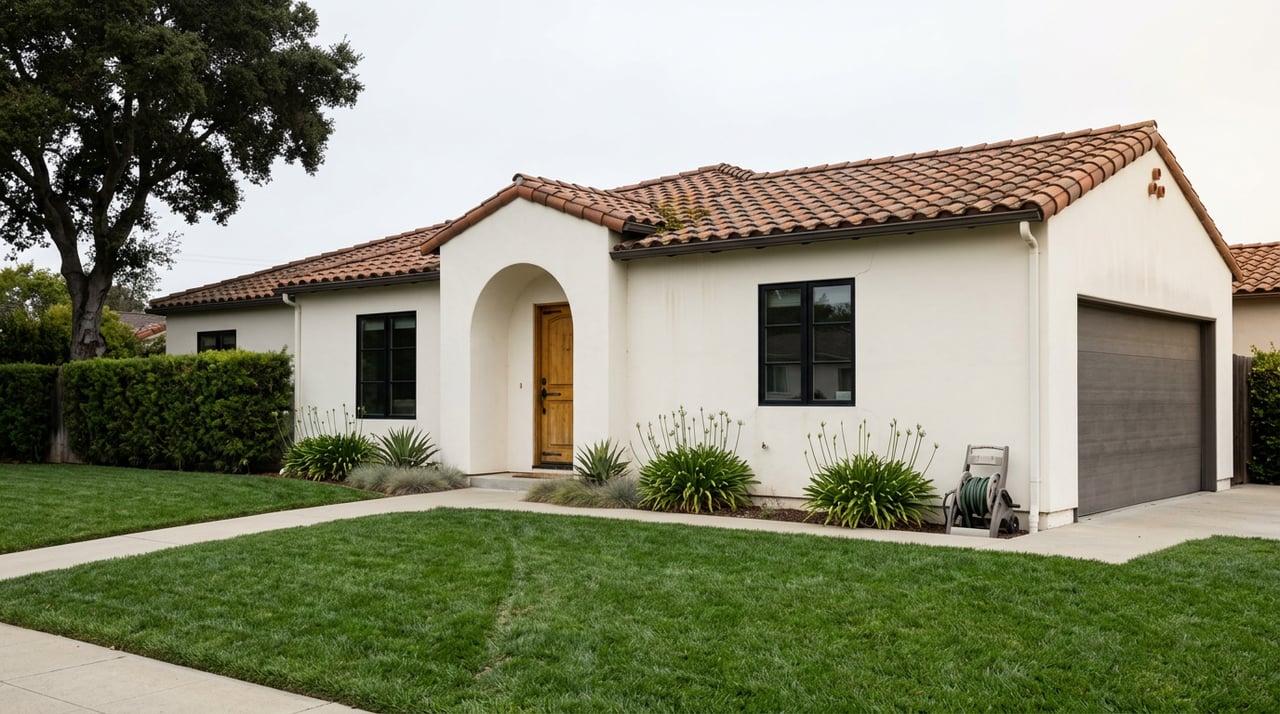
Daly City’s housing stock is varied, which is useful if your budget, space needs, or commute preferences are still evolving. According to the city’s adopted housing element, 58 percent of homes are owner-occupied and 42 percent are renter-occupied.
The mix of structure types is broad enough to serve different stages of life. You are not limited to one dominant housing format, which can make Daly City more practical for first-time buyers, move-up buyers, and people who want lower-maintenance options.
The city reports that 47 percent of homes are single-family detached. Another 15 percent are single-family attached units such as condos or townhomes, 12 percent are buildings with two to four units, and 25 percent are buildings with five or more units.
That distribution helps explain Daly City’s appeal. If you want a detached home, condo, townhome, or larger multifamily setting, you can find multiple housing forms within the city rather than needing to leave the area entirely.
Most of Daly City’s housing was built between 1940 and 1980, and only 4 percent was built after 2000. That means the city’s housing landscape is relatively mature compared with places that saw heavier recent construction.
For buyers, that can come with tradeoffs. The city notes that older housing can be more expensive to maintain and renovate, so it is important to factor condition, updates, and future repair costs into your search.
The city reports a 3.6 percent vacancy rate and describes that level as tight. In practical terms, that can mean limited availability and the need to move decisively when a home matches your priorities.
If you are searching in a commuter-friendly pocket like Original Daly City, competition and timing may matter just as much as your wish list. Having a clear strategy can help you stay realistic and focused.
The city’s housing-element draft distinguishes east-of-I-280 neighborhoods such as Original Daly City, Hillside, Crocker, Southern Hills, and Bayshore from west-of-I-280 areas such as Westlake, St. Francis Heights, and Serramonte. That split is useful because it often lines up with different commute patterns and housing preferences.
Original Daly City may appeal more if transit access is high on your list, especially with the area’s connection to Daly City Station and the city’s parking permit protections near transportation hubs. If you are comparing neighborhoods across Daly City, it helps to think about how often you will drive, use BART, or rely on bus service.
West-of-I-280 areas may fit a different routine or housing preference, while east-of-I-280 areas can feel more closely tied to regional transit connections. The right fit often depends on whether your week revolves around downtown trips, Peninsula travel, or a mix of both.
Even though Daly City is largely built out, the city’s development pipeline shows that new and evolving housing options do exist. Representative examples include The Geneva in Bayshore, which includes 72 residential condos plus retail space, and Templeton Homes, a small single-family project.
The city also references Geneva Habitat Townhomes and the phased Midway Village affordable redevelopment, which includes 555 units. More broadly, the city’s pipeline includes detached-home, townhome, and apartment projects, which suggests that buyers may continue to see a range of product types over time.
If you want flexible commuting, Original Daly City deserves a close look. Its proximity to Daly City Station, connections to SamTrans and Muni, and access to major freeways give you more than one way to manage a Bay Area workweek.
It can be especially appealing if you value a practical home base with nearby shopping, services, and established housing stock. At the same time, you will want to weigh the realities of older homes, tight supply, and the tradeoffs between transit convenience and property condition.
The best move is to match your commute style with the right block, housing type, and budget. If you want help comparing Original Daly City with other Peninsula and San Francisco commuter-friendly neighborhoods, Nick Villanueva can help you sort through the options with local insight and a clear plan.
Explore additional blogs for helpful tips and real estate knowledge.

Partner with Nick Villanueva for expert guidance, trusted service, and results that matter.
GET IN TOUCH
NICK VILLANUEVA | CA DRE# 02147224
ADDRESS 2 TOWER PL STE 1380 SOUTH SAN FRANCISCO CA 94080