
July 2, 2026
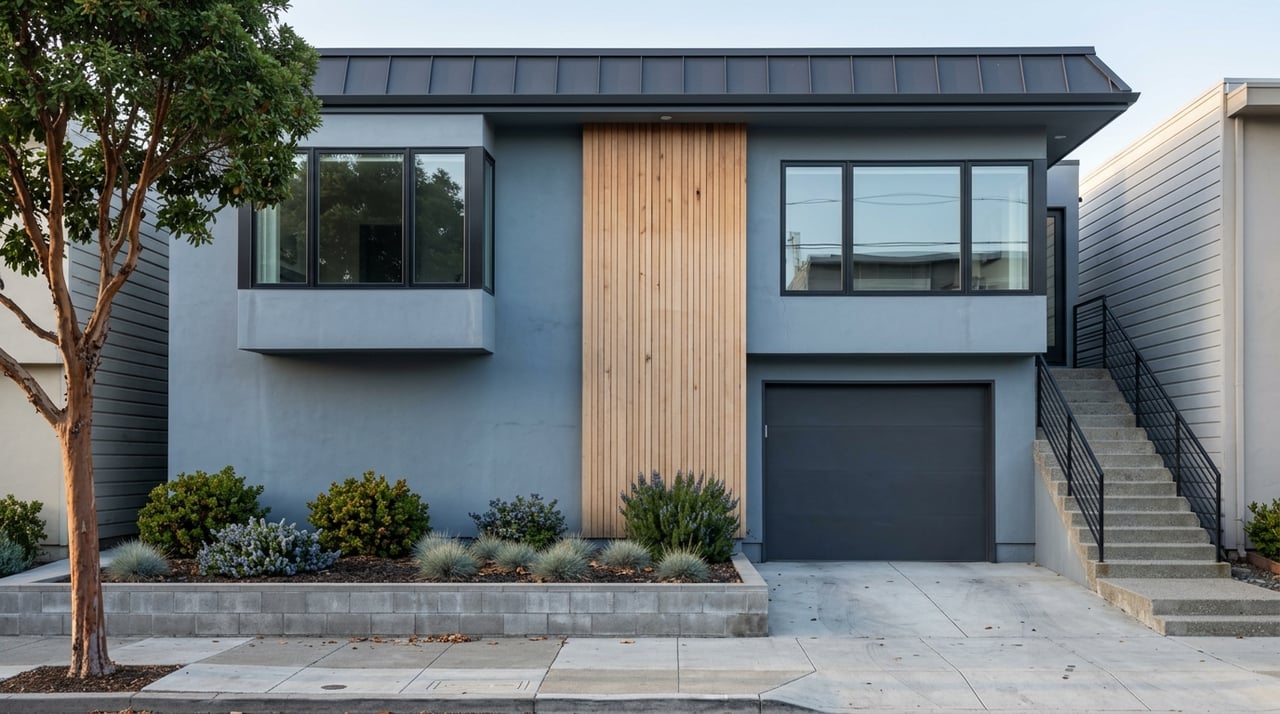
If you’re thinking about buying a single-family home in San Francisco, you already know this is not a market where broad advice gets you very far. A detached home in one part of the city can behave very differently from a detached home just a few neighborhoods away. The good news is that if you understand the local price bands, competition levels, lot patterns, and inspection risks, you can make smarter decisions with more confidence. Let’s dive in.
Detached homes are one of the tightest segments of the San Francisco market. As of the San Francisco Association of REALTORS MLS report current April 11, 2026, the median sales price for single-family homes was $2,150,000, with 85.0% selling over list price and buyers paying 122.6% of list price on average. Homes also moved quickly, with 20 days on market and just 1.0 month of supply.
That matters because detached houses are more competitive than the citywide market overall. Across all property types, months supply was 1.8 and 71.0% sold over list. In other words, if you’re shopping for a single-family home, you should expect tighter inventory and stronger competition than a condo buyer might face.
San Francisco is a micro-market city. Citywide averages can help you get oriented, but they should not be the basis for your offer strategy. District-level data show major differences in pricing and pace depending on where you want to buy.
Here’s a practical way to think about broad detached-home pricing by area:
The district medians below give you a useful starting point for setting expectations.
| SFAR District | General Area | Median Price | Days on Market | Months Supply |
|---|---|---|---|---|
| District 10 | Southeast | $1.28M | 24 | 1.5 |
| District 9 | Central East | $1.58M | 19 | 1.5 |
| District 3 | Southwest | $1.64M | 10 | 1.8 |
| District 2 | Central West | $1.93M | 20 | 0.8 |
| District 4 | West Portal / Twin Peaks West area | $2.41M | 15 | 0.5 |
| District 1 | Northwest | $2.55M | 14 | 0.6 |
| District 5 | Central | $2.97M | 12 | 0.7 |
| District 6 | Central North | $3.95M* | — | — |
| District 7 | North | $8.40M* | 51 | 1.0 |
* District 6 and District 7 had small sales samples in the report month, so those medians deserve extra caution.
If your goal is to buy a detached home without stretching into the highest price tiers, areas in Districts 10, 9, and 3 may offer more entry points. If you’re focused on the westside or central neighborhoods, expect stronger pricing and, in some districts, even tighter inventory.
Not every part of San Francisco moves at the same speed. In the March 2026 district breakdown, District 4 posted a median 15 days on market with only 0.5 months supply. District 7, by contrast, had 51 days on market with 1.0 month supply, while District 10 came in at 24 days on market with 1.5 months supply.
The takeaway is simple: you should not bid off a citywide headline number alone. A detached house in West Portal, the Sunset, Noe Valley, or Pacific Heights may each call for a different pricing strategy, timeline, and level of urgency. Neighborhood-level comparable sales matter far more than broad city averages.
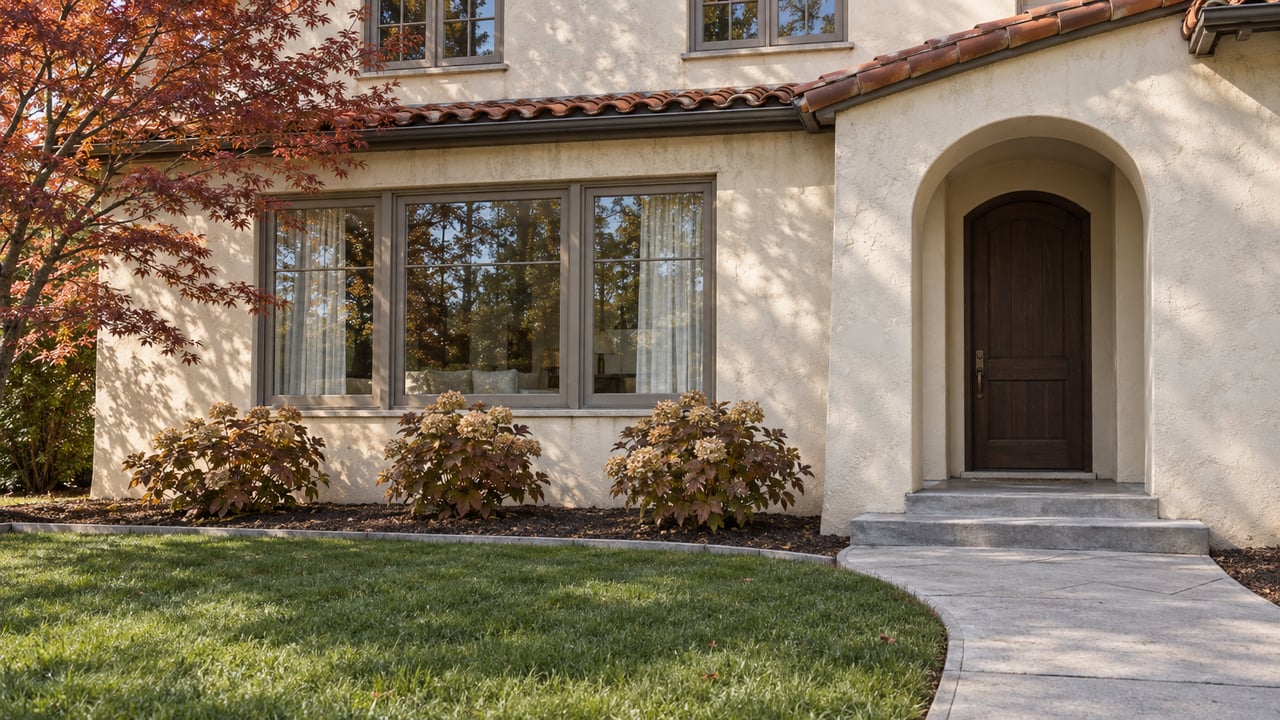
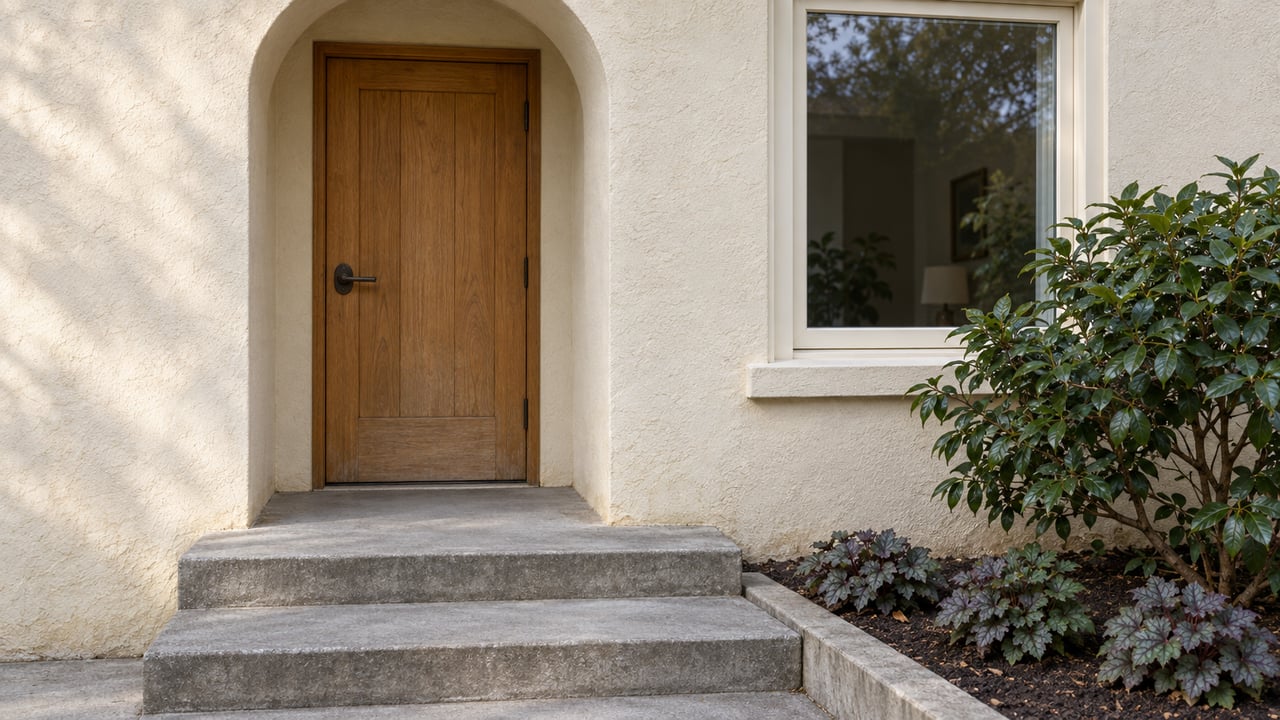
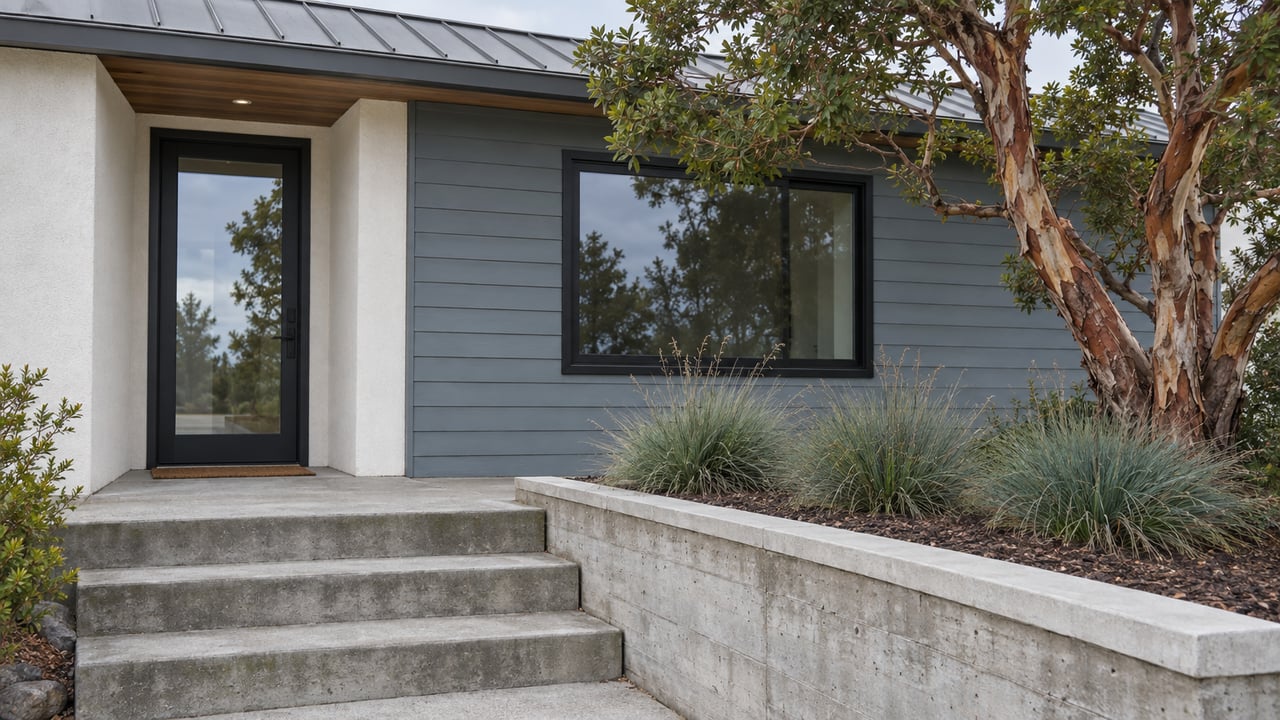
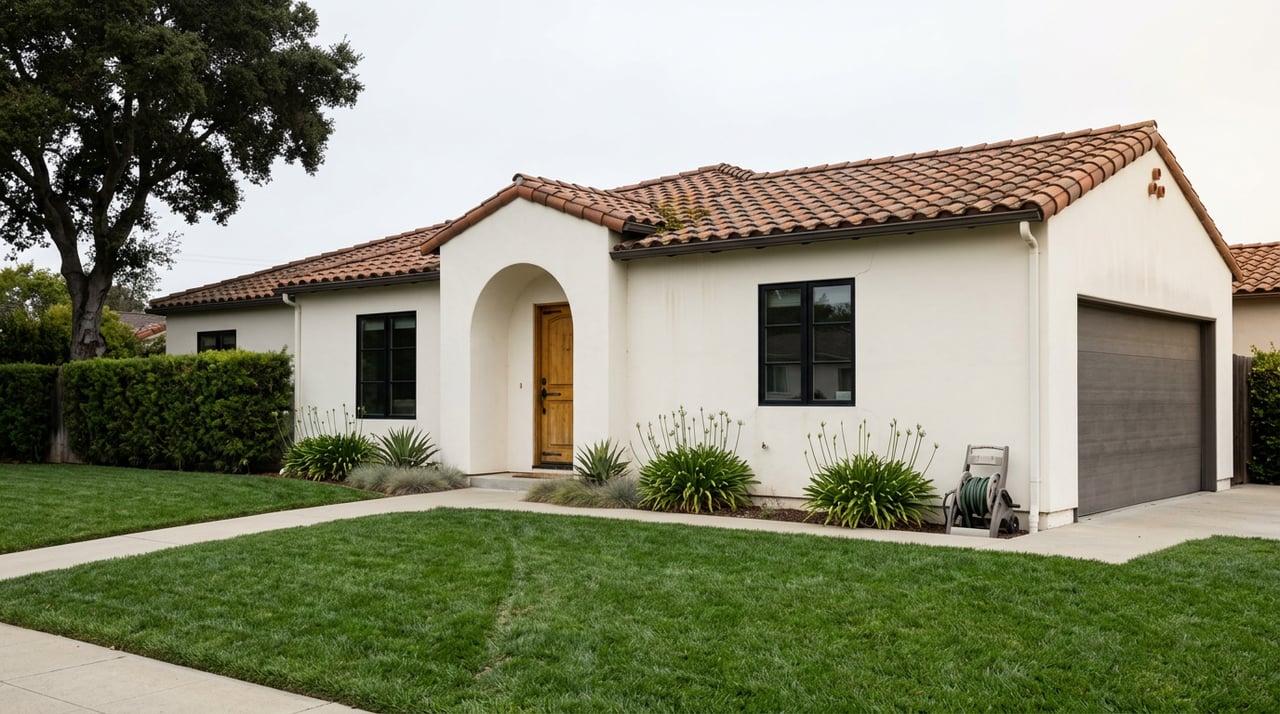
San Francisco single-family homes come in a wide mix of architectural styles and building eras. According to San Francisco Planning’s historic context work, you may see Victorian-era homes such as Italianate, Queen Anne, and Stick/Eastlake, along with Craftsman, Mediterranean, Spanish Colonial Revival, Tudor Revival, French Revival, Monterey Revival, Art Deco, Streamline Moderne, and later modern styles.
For you as a buyer, style is not just about curb appeal. It often affects floor plan, natural light, garage placement, storage, stair layout, and future remodeling options. Older homes can offer character and detail, but they can also come with more questions about updates, permits, and building history.
Lot geometry also matters more in San Francisco than many buyers expect. Planning materials describe a typical residential lot as roughly 25 by 100 feet, and many house districts have a 25-foot minimum lot width and 2,500-square-foot minimum lot area. Rear-yard requirements can vary by zone, generally ranging from 25% to 45% of lot depth.
Before you fall in love with a detached home, look beyond the square footage on the listing. Ask how the lot actually functions day to day and what it may allow in the future.
A few practical lot questions include:
In some neighborhoods, historic designation or local resource status can affect what changes are possible. That does not make a property less appealing, but it does make early diligence more important if you plan to remodel later.
In San Francisco, buying a detached home should include more than a standard home inspection. Reviewing permit history is a key part of due diligence.
The Department of Building Inspection records request process allows buyers to request building permit applications, job cards and inspection history, electrical permits, plumbing or mechanical permits, and notices of violation or complaints. That means you can look deeper into whether past work appears to have been properly documented and whether there are unresolved issues worth understanding before you close.
Seller disclosures are important, but they should not be your only source. A permit-history review can help you verify legal use, identify unpermitted work concerns, and better understand what may need attention after purchase.
Some property risks deserve extra focus in this city. DBI states that residential balconies, decks, stairs, porches, and similar attachments should be routinely inspected by licensed professionals. That guidance reflects real safety concerns tied to past collapses.
Site conditions also matter. San Francisco Public Utilities Commission information notes that the city operates a combined sewer system and that low-lying areas are prone to flooding. USGS also notes that liquefaction hazard is concentrated in bay-margin fill and other low-lying areas.
That does not mean you should avoid any specific area automatically. It means you should understand the property’s location, drainage conditions, and physical risk profile before you remove contingencies or commit to repair costs.
In a market this competitive, the goal is not just to win. The goal is to win with a level of protection that still makes sense for you.
California Department of Real Estate guidance says buyers should make sure their offer includes the contingencies or special conditions they want, such as loan qualification, repairs, pest and home inspections, and timing requirements. Its consumer guidance also notes that a home inspection contingency can allow a buyer to cancel without losing the deposit if issues are found.
Common contingencies can include:
In San Francisco’s detached-home market, a practical approach is often to keep core protections while shortening timelines when appropriate and front-loading due diligence where possible. That can help you stay competitive without giving up important safeguards too early.
A detached-home purchase in San Francisco usually requires more cash planning than many first-time or move-up buyers expect. The California Department of Real Estate notes that buyers often need about 5% to 20% down, plus another 3% to 7% of the purchase price for closing costs.
For condo owners moving into a house, or renters buying their first detached property, this is an important budgeting step. A stronger financial plan can also make decision-making easier when the right home comes on the market quickly.
If you want a clear path forward, start by narrowing your search using the factors that most affect success in San Francisco. That usually means balancing your target neighborhood, price band, home style, and renovation tolerance before you tour too many properties.
A strong buying plan often starts with these steps:
When you approach the process this way, you’re less likely to chase the wrong inventory and more likely to recognize a real opportunity when it appears.
Buying a single-family home in San Francisco takes more than enthusiasm and a saved search. You need neighborhood-level pricing context, a clear inspection strategy, and a careful look at lot and permit realities that do not always show up in listing photos. If you want a local guide who can help you evaluate the tradeoffs, move quickly when needed, and stay grounded in the details, reach out to Nick Villanueva.
Explore additional blogs for helpful tips and real estate knowledge.

Partner with Nick Villanueva for expert guidance, trusted service, and results that matter.
GET IN TOUCH
NICK VILLANUEVA | CA DRE# 02147224
ADDRESS 2 TOWER PL STE 1380 SOUTH SAN FRANCISCO CA 94080