
May 21, 2026
Buying in San Francisco often starts with one big question: should you buy a condo or a house? If you are trying to balance budget, lifestyle, and long-term plans, that choice can feel especially tough in a market where prices remain high and every monthly cost matters. The good news is that each option can make sense for the right buyer, and understanding the tradeoffs can help you move forward with more confidence. Let’s dive in.
In San Francisco, condos often offer a lower entry point into homeownership than single-family houses. That matters in a market where Redfin reported a median home sale price of $1.7 million in the San Francisco metro area in March 2026, while also noting strong year-over-year condo price growth in San Francisco.
That does not mean condos are always the better deal or houses are always out of reach. It means your best fit usually depends on how you want to live, what monthly costs you can comfortably carry, and how much flexibility you want over time.
A condo can be a smart option if you want to own in San Francisco without taking on the full price and maintenance burden of a detached home. For many buyers, that lower entry price is the biggest advantage.
Condos also tend to support a more simplified ownership experience. Shared building systems and common-area upkeep are generally handled through the homeowners association, which can reduce the amount of maintenance you manage yourself.
When you buy a condo, you typically own your individual unit plus a percentage interest in the building, land, common areas, and amenities. That shared ownership structure is important because it shapes both your costs and your day-to-day experience.
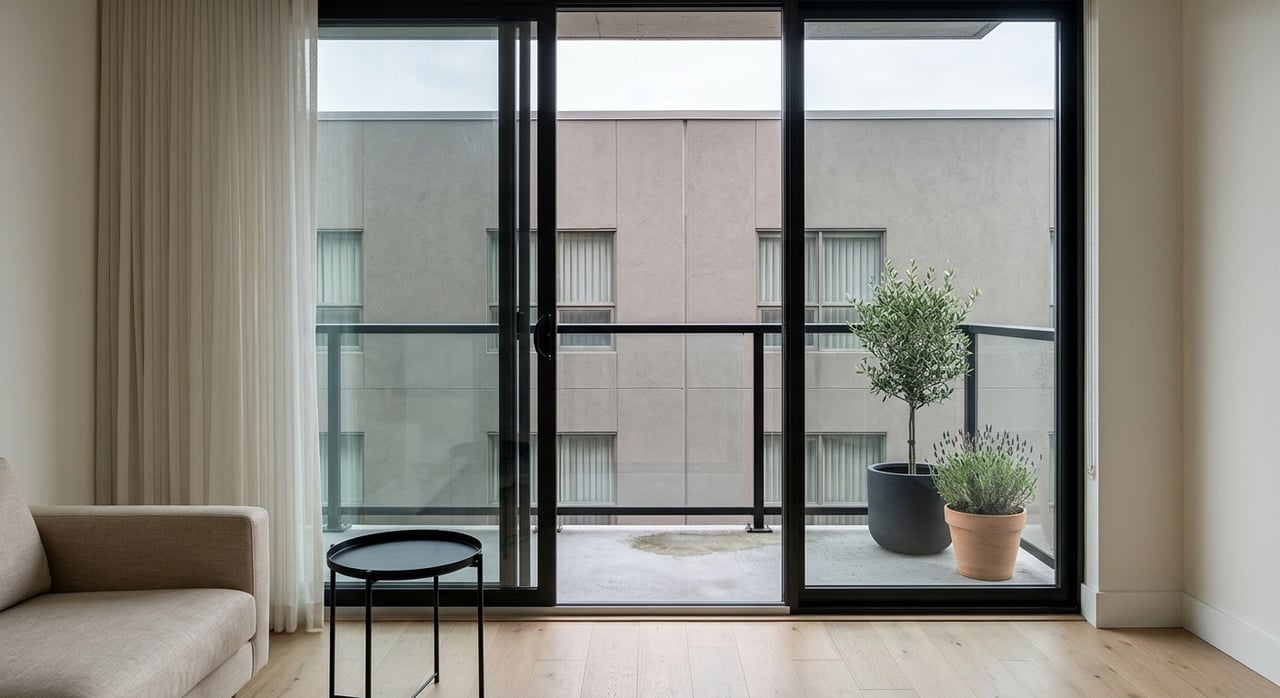
You may enjoy amenities like a roof deck, courtyard, or other shared spaces. But those spaces are communal, and their use is governed by the HOA's rules, CC&Rs, and bylaws.
A condo budget usually includes:
HOA dues are usually paid separately from your mortgage. Depending on the building, they can range from a few hundred dollars per month to more than $1,000, and they may cover common-area maintenance, amenities, and sometimes certain utilities.
With a detached house, financing is usually centered on you, the property, and the loan terms. With a condo, the building itself can also affect financing because lenders may need to review whether the condo project meets eligibility requirements.
That means two similar-looking condos may not be equally easy to finance. If you are considering a condo, it is worth reviewing the building's documents and financial health early in the process.
A house often makes the most sense if you want more privacy, more control, and more room to adapt over time. In San Francisco, that extra flexibility can be one of the biggest differences between the two property types.
Single-family homes are typically detached residences with no shared walls or land. They also usually offer more freedom to remodel, paint, landscape, and use outdoor space, although specific rules can still apply in some areas.
For many buyers, outdoor space is the clearest lifestyle divider. A condo may give you access to a shared deck or courtyard, while a house is more likely to offer exclusive yard or garden space.
That can change how you use your home every day. If private outdoor use, less shared noise, or more room for future changes matters to you, a house may feel like a better long-term fit.
A house budget usually includes:
Unlike a condo, you generally will not pay monthly HOA dues unless the property is in an HOA-governed area. But you are fully responsible for upkeep, which can make monthly costs less predictable over time.
In San Francisco, the better choice is not always the home with the lower price tag. It is the home with the monthly cost structure that fits your budget and comfort level.
A condo may have a lower purchase price but higher fixed monthly costs because of HOA dues. A house may have a higher purchase price and higher mortgage payment, but without shared dues, depending on the property.
According to SF.gov, San Francisco property tax is based on assessed value multiplied by the local rate. The city states that the tax rate is 1% plus voter-approved bond indebtedness and direct assessments.
SF.gov also notes that Proposition 13 generally limits annual assessed-value increases to 2% unless there is a change in ownership or new construction. Property tax due dates are December 10 and April 10.
Insurance works differently depending on what you buy. The California Department of Insurance says a condo unit-owner policy typically covers personal property, loss of use, liability, and interior improvements, while the HOA generally insures the structure and common areas.
For houses, a standard homeowners policy usually covers the home under the policy terms, but standard policies usually exclude earthquake coverage. If earthquake protection matters to you, you may need to buy additional coverage whether you choose a condo or a house.
A condo can be attractive if you want less hands-on maintenance. In many condo communities, the HOA is generally responsible for common-area repairs and maintenance, and the governing documents outline how decisions are made.
That convenience comes with shared governance. The California Attorney General explains that HOAs make and enforce CC&Rs and related rules for common-interest developments, so your ownership experience will include living within those rules.
If you are leaning toward a condo, make sure you review more than just the unit itself. The building's financial condition and operating history can affect both your costs and your future flexibility.
Pay close attention to:
Weak reserves can increase the chance of future special assessments. And because lenders may review condo project eligibility, building-level issues can affect both financing and refinancing.
Your first home in San Francisco does not need to be your forever home, but it should support your next few years of life. That is why long-term flexibility matters.
A condo often fits buyers who want simpler upkeep, a building-managed lifestyle, and access to urban locations near transportation, shops, and entertainment. A house often fits buyers who want more room to grow, more customization options, and more control over future changes.
One important advantage of some single-family homes is the potential to add an accessory dwelling unit. SF.gov says many single-family homes can add an additional residential unit, and those units can be used for family members or rental income, subject to city rules.
SF.gov also states that ADUs usually cannot be sold separately or used as short-term rentals. The city notes that adding an ADU typically costs at least $125,000 in materials and labor, before architect, engineer, and city fees.
That does not make every house an ADU opportunity. But if future expansion or added income matters to you, it is a meaningful factor to evaluate when comparing a house to a condo.
The right answer often comes down to how you want your home to function in daily life. Price matters, but so do privacy, convenience, outdoor access, and your tolerance for shared decision-making.
Here is a simple way to think about it.
In San Francisco, choosing between a condo and a house is really about choosing the ownership experience that fits you best. A condo can make homeownership more accessible and more manageable day to day, while a house can offer more control, privacy, and room to grow.
If you are weighing both options, the smartest next step is to compare real properties, real monthly costs, and real building details, not just list prices. If you want help sorting through San Francisco condos, single-family homes, or even private listing opportunities, Nick Villanueva can help you compare your options and move forward with clarity.
Explore additional blogs for helpful tips and real estate knowledge.


Partner with Nick Villanueva for expert guidance, trusted service, and results that matter.
GET IN TOUCH

NICK VILLANUEVA | CA DRE# 02147224
ADDRESS 2 TOWER PL STE 1380 SOUTH SAN FRANCISCO CA 94080