If you have been thinking about a duplex, triplex, or fourplex in San Francisco or the Peninsula, you are not alone. Small multi-unit buildings can offer steady demand in a supply-constrained market, plus flexible paths to finance if you plan to live in one unit. At the same time, local rent control, seismic rules, and financing fine print make this one of the most technical corners of Bay Area real estate. In this guide, you will learn how the market works, what to check before you write an offer, and how to run the numbers with confidence. Let’s dive in.
Why small multi-unit still works here
San Francisco and nearby Peninsula cities are high-cost and supply constrained, which keeps renter demand strong relative to available buildings. Local updates show small-multifamily cap rates often in the mid single digits, roughly 4.5% to 6% for stabilized assets, which is common for gateway markets with strong long-term demand. You can review recent context in the Vanguard Properties market update that discusses small-multifamily caps and GRMs in San Francisco (local market update).
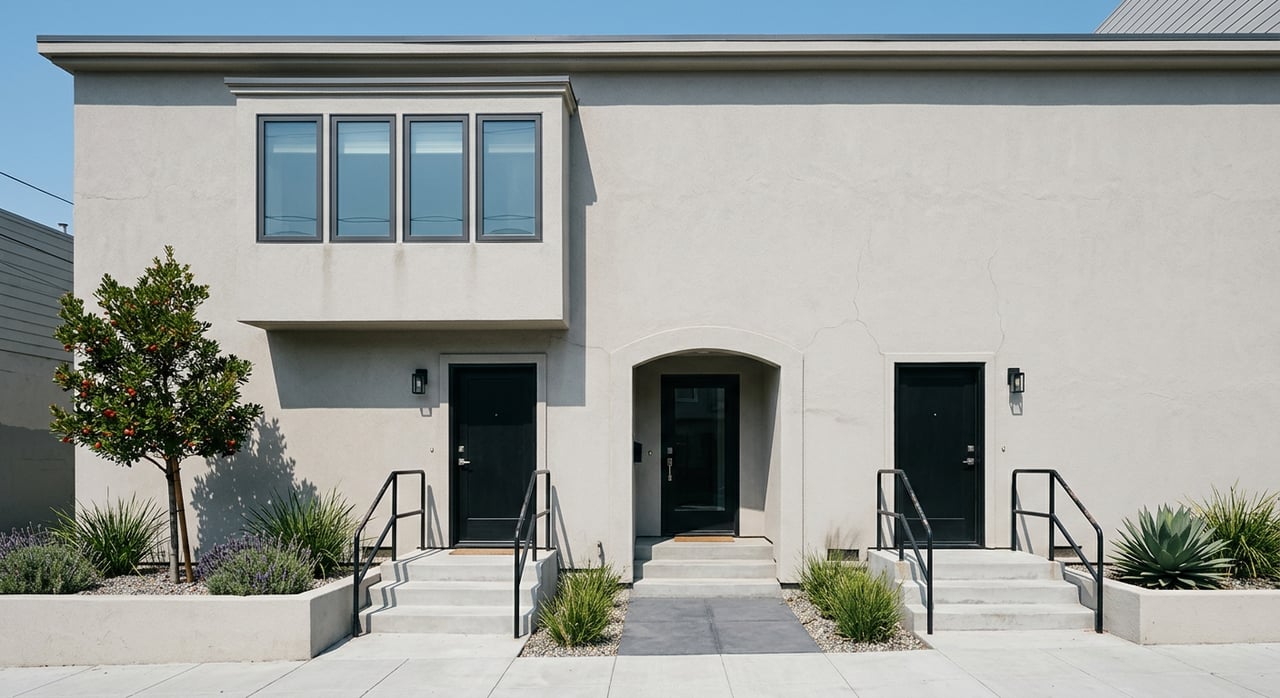
Expect older wood-frame properties in San Francisco, often with smaller unit sizes and limited parking. On the Peninsula, unit mixes can skew a bit larger depending on neighborhood and lot size. If you want a quick view on rent context as you model cash flow, browse county-level rent data for San Francisco (rental context).
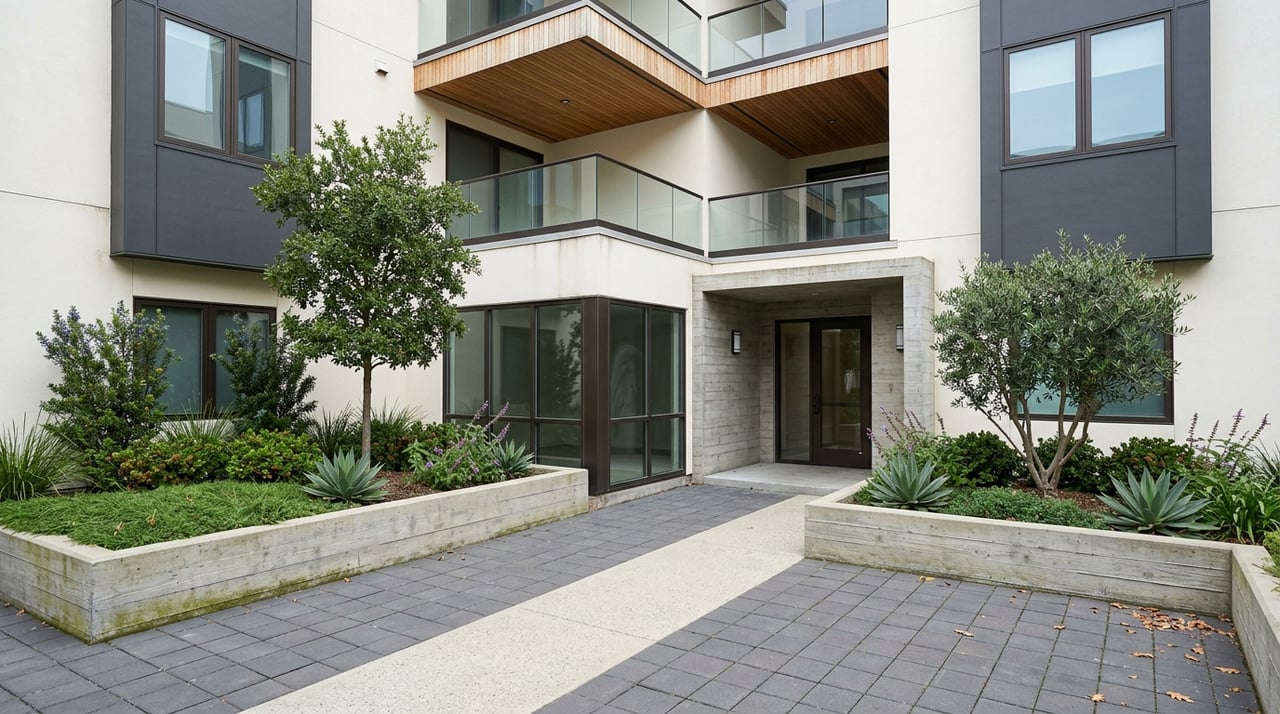
Across Redwood City, South San Francisco, and San Mateo, proximity to Caltrain or BART connections, commute patterns, and tech employment nodes support demand. That demand is also price sensitive, so you should underwrite conservatively and focus on durable location drivers like transit access and neighborhood services.
What you will likely find on market
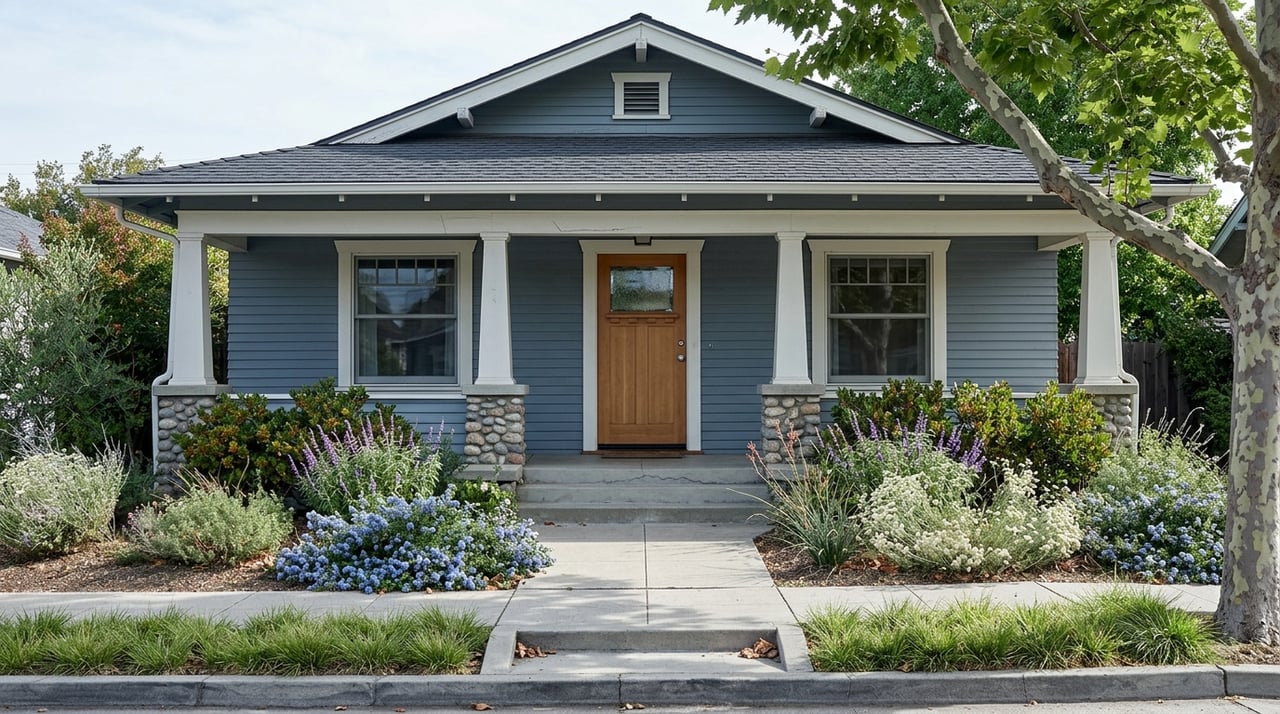
Many small buildings in San Francisco are older wood-frame Victorians or Edwardians that were converted to duplexes or triplexes. These can fall under San Francisco’s Rent Ordinance if built on or before June 13, 1979. Early in due diligence, confirm the build date and certificate of occupancy, since coverage shapes both rent growth and tenant protections (San Francisco rental laws).
Cap rates on stabilized deals commonly land in the mid single digits. Example offering memoranda in recent months have shown price-per-door figures in the low to mid 400,000 dollar range, which helps you sanity check your screening and offers. Always validate with current MLS comps and live OMs, since values move quickly and vary by micro-market (illustrative example).
Rent control and tenant laws that shape returns
A big part of underwriting in San Francisco is understanding which rent and eviction rules apply:
- San Francisco Rent Ordinance. Many multi-unit buildings built on or before June 13, 1979 are subject to local rent control and just-cause protections. This can limit rent increases and set specific rules for allowable evictions. Check coverage with the Rent Board and confirm the build date early (SF Rent Ordinance overview).
- Statewide AB 1482. Where local law does not already apply, California’s Tenant Protection Act caps annual rent increases at the lower of 5% plus regional CPI or 10% in any 12-month period, and it adds just-cause protections. On the Peninsula, AB 1482 often fills gaps, while San Francisco’s stronger local ordinance continues to control in the city (AB 1482 summary).
- No-fault evictions and relocation. If you plan an owner or relative move-in, or other no-fault actions, San Francisco requires strict notices, Rent Board filings, and statutory relocation payments that are adjusted annually. Check the current schedule with the Rent Board before you model costs (relocation guidance).
These rules do not make investing impossible. They do require accurate assumptions and realistic timelines for unit turnover.
Safety, seismic, and permitting can change the math
San Francisco maintains a mandatory soft-story seismic retrofit program for many older wood-frame multi-unit buildings. If a property is on the list or shows a soft-story condition, that work can be a significant line item with permitting and timeline impacts. Pull building-department records for open permits or violations and confirm retrofit status early in the process (earthquake safety and retrofits).
Properties that need work are not deal breakers. They simply require a larger capital reserve and clear scopes from licensed contractors. Build those costs into your pro forma so you can compare opportunities on an apples-to-apples basis.
Financing paths for 2 to 4 units
Financing for small multi-unit property depends on whether you will live in one unit and on the building’s condition and income profile.
Owner-occupant options
- FHA. If you will live in one unit, FHA allows as little as 3.5% down for 2 to 4 units. For 3 to 4 units, FHA applies a self-sufficiency test that uses rental income to ensure the property’s net income supports the mortgage. County loan limits vary and change each year, so confirm limits and property standards before you shop (FHA multi-unit guide).
- VA. Eligible veterans can often purchase 2 to 4 units with no down payment, subject to VA occupancy and property rules. If you qualify, this can be one of the lowest-cost entry paths into house hacking (VA multi-unit overview).
- Conventional with lower down. Fannie Mae introduced a path that allows as low as 5% down for owner-occupied 2 to 4 unit purchases, subject to lender overlays and product availability. Confirm specifics with your lender and review the latest selling guide at application (conventional 5% down summary).
Investor options
- Conventional investment loans. Expect larger down payments, commonly 20% to 25% for 2 to 4 unit non-owner purchases at many lenders, along with tighter credit and reserve requirements.
- DSCR loans and portfolio lenders. If you do not qualify on personal debt-to-income, DSCR loans use the property’s income relative to proposed debt service. Minimum DSCR, rates, and underwriting vary by lender, so compare options carefully (DSCR primer).
What lenders care about
- Rental income counting. Lenders often count a percentage of projected or in-place rents when qualifying. FHA uses specific guidance, vacancy factors, and the 3 to 4 unit self-sufficiency test (FHA income rules).
- Reserves. Program minimums usually include months of mortgage payments in reserve, with investor loans requiring more than owner-occupied loans (reserve overview).
- Condition and compliance. Code violations or seismic retrofit requirements can delay or block financing. Confirm compliance and permit status early so your financing timeline stays on track (seismic rules).
How to underwrite: simple metrics that work here
Use these core metrics to screen opportunities, then refine with neighborhood comps and real rent rolls.
- NOI. Net Operating Income equals effective gross income minus operating expenses, excluding debt service.
- Cap rate. NOI divided by purchase price. In San Francisco, small-multifamily cap rates often run in the mid single digits, about 4.5% to 6% for stabilized assets. Verify the latest range by submarket (cap rate context).
- GRM. Gross Rent Multiplier equals price divided by annual gross rent. Recent local summaries have shown GRMs around the low teens, such as near 11, which is useful for quick screening, not final valuation (GRM reference).
- Price per unit. Use price-per-door as a quick comp check. Recent OMs have shown examples in the low to mid 400,000 dollar-per-door range in SF, but live comps vary widely by neighborhood and condition (illustrative example).
- Vacancy and credit loss. Model 3% to 7%, and stress higher if units need renovation or the area shows turnover during certain seasons (vacancy rule of thumb).
- Operating expense ratio. Small multi-unit often runs about 35% to 50% of gross income, driven by age, utilities paid by owner, and management approach. Older buildings and earthquake coverage can push this higher, so budget conservatively (expense ratio basics).
Screening checklist you can use fast:
- Verify in-place rents and market rent potential using rent rolls and current listings.
- Apply a realistic expense ratio and vacancy factor.
- Confirm rent-control status, build date, and any active notices or filings.
- Stress test with multiple loan options and rates to see where DSCR or DTI breaks.
Due diligence that protects your upside
Thorough diligence is what separates a smooth closing from a costly surprise. Here is a practical list to cover before you remove contingencies:
- Confirm build date and rent-control coverage with the SF Rent Board, and check whether AB 1482 applies on the Peninsula (coverage overview, AB 1482 summary).
- Secure the current rent roll, leases, utility allocations, and a 24-month P&L from the seller. Compare actuals to any pro forma.
- Pull recent 2 to 4 unit comps and review broker OMs to triangulate realistic cap rate and price expectations by micro-market (local market update).
- Ask the Rent Board for the latest relocation payment schedule and filing rules for no-fault actions. Amounts change each year, so check the current figures before you model a turnover plan (relocation guidance).
- Check building-department records for open permits and code violations, and confirm whether the property is subject to the soft-story program. Estimate retrofit and timeline impacts early (earthquake safety and retrofits).
- Get contractor and inspector bids for deferred maintenance items like roofs, plumbing, and water heaters, and include a CapEx reserve in your pro forma.
- Run the deal through multiple financing scenarios, such as FHA owner-occupant, conventional owner-occupant at 5% or 15% down, and DSCR investor loans. Compare how each scenario changes cash flow and return (financing overview).
Common risks and how to manage them
- Rent-control and just-cause rules. These can limit rent growth and extend timelines for rent resets. Model conservative rent increases and longer hold periods (SF Rent Ordinance overview).
- Relocation and eviction costs. San Francisco’s relocation payments and strict procedures can make no-fault turnovers costly. Build a budget and timeline cushion using the current Rent Board schedule (relocation guidance).
- Seismic and code compliance. Retrofits can run into the tens of thousands and disrupt financing or rents during work. Verify compliance and factor in permits and contractor capacity (earthquake safety and retrofits).
- Insurance. Earthquake coverage is separate and can be expensive. Ask your broker to price both property and earthquake coverage early.
SF vs. Peninsula: aligning the plan to your goals
If you plan to live in one unit, your priority may be a building that qualifies for FHA or the newer conventional low-down program, with unit layouts that fit your needs. If you are a pure investor, you might lean toward a property that already meets DSCR thresholds with in-place rents and fewer required capital projects.
In San Francisco, you will often evaluate older buildings with rent-control exposure. On the Peninsula, AB 1482 may be more relevant than local rent control, and unit mixes can skew toward two bedrooms in some areas. In both cases, focus on proximity to transit and everyday services, which supports stable occupancy in changing markets.
Build your plan with a local expert
Small multi-unit investing here rewards preparation. You want clean assumptions on rent rules, accurate comps, a clear read on retrofit status, and the right financing structure for your plan. That is where a local advisor adds real value. With hands-on experience across San Francisco and the Peninsula, access to on- and off-market opportunities, and a process that emphasizes clear communication and modern marketing, you can move from research to keys with confidence.
If you are ready to explore duplexes, triplexes, or fourplexes in San Francisco or the Peninsula, reach out to Nick Villanueva to start building your plan.
FAQs
What are typical cap rates for small multi-unit buildings in San Francisco?
- Local updates show stabilized small-multifamily cap rates often in the mid single digits, roughly 4.5% to 6%, though actuals vary by submarket and asset condition (market context).
How does San Francisco rent control affect 2 to 4 unit investments?
- Many buildings built on or before June 13, 1979 fall under the SF Rent Ordinance with rent controls and just-cause protections, which shape rent growth assumptions and turnover timelines (Rent Ordinance overview).
What is AB 1482 and does it apply on the Peninsula?
- AB 1482 caps annual rent increases at the lower of 5% plus regional CPI or 10% and adds just-cause protections where local law does not already apply, which often means broader coverage on the Peninsula than in SF (AB 1482 summary).
Can I buy a 3 or 4 unit with a low down payment if I live in one?
- Yes, FHA allows as little as 3.5% down for owner-occupant 2 to 4 units, subject to property standards and self-sufficiency rules, and Fannie Mae has an owner-occupied option as low as 5% down depending on lender overlays (FHA guide, conventional option).
What is a DSCR loan for 2 to 4 units and when is it used?
- A DSCR loan underwrites primarily to property income rather than personal DTI, which can help investors who do not qualify conventionally; minimum DSCR, rates, and terms vary by lender (DSCR primer).
How do I check if a building needs a soft-story retrofit in San Francisco?
- Review city earthquake safety rules and building records for soft-story status, open permits, or violations, and verify compliance as part of pre-offer diligence (earthquake safety and retrofits).
What relocation payments might apply for an owner move-in in San Francisco?
- San Francisco requires strict notices and Rent Board filings for no-fault actions, and relocation payments that are set and adjusted annually, so confirm the current schedule before you budget (relocation guidance).