
April 16, 2026
If you want a Peninsula city that feels residential but keeps you closely connected to the rest of the Bay Area, Millbrae deserves a closer look. For many buyers, the challenge is finding a place where daily life feels comfortable and local without giving up commute options, dining, or outdoor space. Millbrae stands out because it blends a suburban neighborhood pattern with one of the region’s strongest transit setups, plus a compact downtown and a solid park network. Let’s dive in.
Millbrae is a small city in San Mateo County with nearly 23,000 residents across about 3.25 square miles, according to the City of Millbrae’s community overview. It sits west of San Francisco International Airport, south of San Francisco, and north of Silicon Valley, which helps explain why it attracts buyers who want regional access without living in a dense urban core.
City planning documents describe Millbrae as a compact community with a quaint downtown and predominantly residential neighborhoods. The Millbrae 2040 General Plan also makes clear that preserving the character of the city’s distinct neighborhoods remains a priority, even as mixed-use development continues around the station area and along El Camino Real.
Transit is one of Millbrae’s biggest advantages. If your work, family, or lifestyle takes you around the Peninsula, into San Francisco, or toward the airport, this location can simplify your routine in a way few suburban cities can.
The key hub is Millbrae Station, where BART and Caltrain connect with SamTrans. BART identifies Millbrae as a station with cross-platform Caltrain connections, and Caltrain coordinates schedules and transfer timing there, which makes switching systems more practical for day-to-day commuters.
That multi-agency access matters because it gives you options. Instead of relying on one route or one mode of travel, you have a more flexible setup that can support office commutes, airport trips, and hybrid work schedules.
The city’s Millbrae Station Area Specific Plan describes the station as a seamless hub for BART, Caltrain, SamTrans, corporate shuttles, and future high-speed rail. It also notes that downtown is within about a three-minute walk of the station, which is a major quality-of-life benefit if you want to grab coffee, a meal, or a quick errand without needing to get back in the car.
For many buyers, that is the real appeal of Millbrae. You get a more suburban home base, but your transit access feels much more urban in function.
Even with strong public transit, not every schedule fits rail or bus service. Millbrae’s economic development materials highlight the city’s position between Interstate 280 and Highway 101, which adds another layer of convenience for drivers and hybrid commuters.
If you split time between home, office, and airport travel, this combination of freeway and rail access is a major selling point. It gives Millbrae unusual versatility for a city of its size.
Millbrae is not trying to be a nightlife district, and that is part of its appeal. The city’s dining and retail environment feels more compact and practical, with downtown and key commercial corridors supporting everyday convenience.
The Downtown and El Camino Real Specific Plan promotes a mix of housing, restaurants, retail, hotels, offices, and entertainment uses. That planning direction supports a downtown that is active and useful, rather than purely residential or purely commercial.
For you as a buyer, that can translate into a more walkable daily routine in certain parts of the city. It also supports long-term value by reinforcing Millbrae’s identity as a connected Peninsula community with a defined center.
The city’s Parklet Program, effective January 11, 2024, was adopted to support outdoor dining in the public right-of-way. City outreach tied to downtown, Broadway, El Camino Real, and the station area also points to an emphasis on walkability, outdoor dining, food-and-wine events, live events, and parking improvements.
Taken together, those efforts suggest a dining scene that is local, compact, and integrated into everyday life. If you prefer a place where you can enjoy neighborhood restaurants and casual outings without the pace of a larger entertainment district, Millbrae may feel like a good fit.
Outdoor space is another important part of Millbrae living. For a smaller city, the public park system is notably robust.
The city’s Parks Unit maintains 13 parks, the Spur Trail, civic facilities, medians, and other landscaped areas throughout Millbrae. That broad network gives residents more options for play, exercise, and casual outdoor time than you might expect in a community this size.
If you are comparing Peninsula cities, this is worth noting. Access to multiple parks can have a real impact on your day-to-day routine, especially if you value outdoor breaks, recreation, or nearby open space.
Central Park is the city’s 8.1-acre signature recreational area. The city says it includes an updated playground, a large playing field, picnic areas, tennis courts, bathrooms, and seasonal events such as Movies in the Park and Concerts in the Park.
Other local options include Green Hills Park, with open lawns, tree-filled terraces, and a playground, and Marina Vista Park, which offers a basketball court, playground, open field, BBQs, and picnic areas. These spaces help round out Millbrae’s residential appeal and make it easier to picture an active, outdoor-oriented routine.
The Spur Trail adds another layer to the city’s recreation mix. According to city information, Phase I begins near Magnolia Avenue and Millbrae Avenue and passes the skate park and smaller parks, while Phase II runs behind residential property and has a quieter neighborhood-trail feel.
Millbrae also opened its Recreation Center in 2022. The facility supports classes, camps, youth and adult sports, rentals, and senior programming, giving the city a more complete community infrastructure.
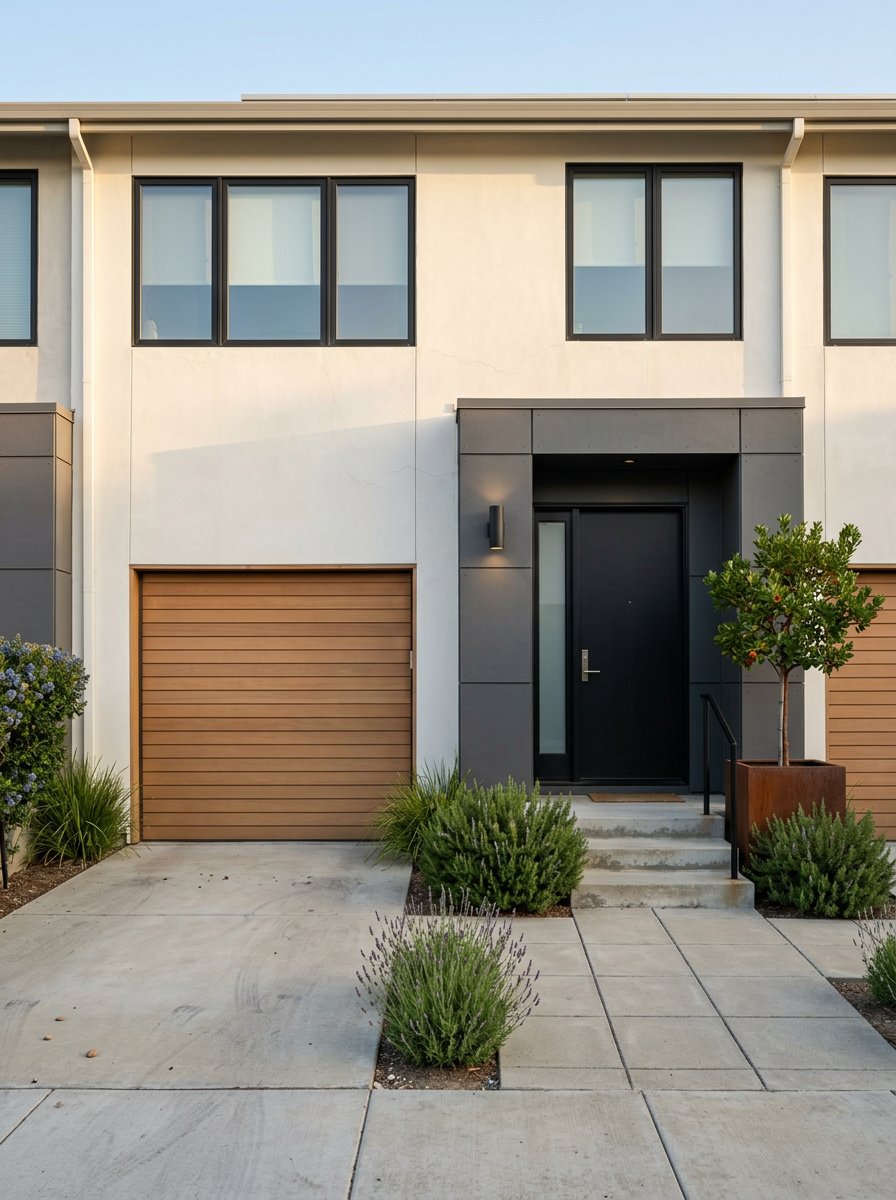
When buyers ask what housing looks like in Millbrae, the short answer is variety. The city’s planning documents support a range of housing types, but the overall feel still leans residential.
The Millbrae 2040 General Plan confirms that residential neighborhoods remain the predominant land use. At the same time, the city’s Residential Design Standards address single-family homes, duplexes, triplexes, ADUs, multi-family buildings, and residential mixed-use projects.
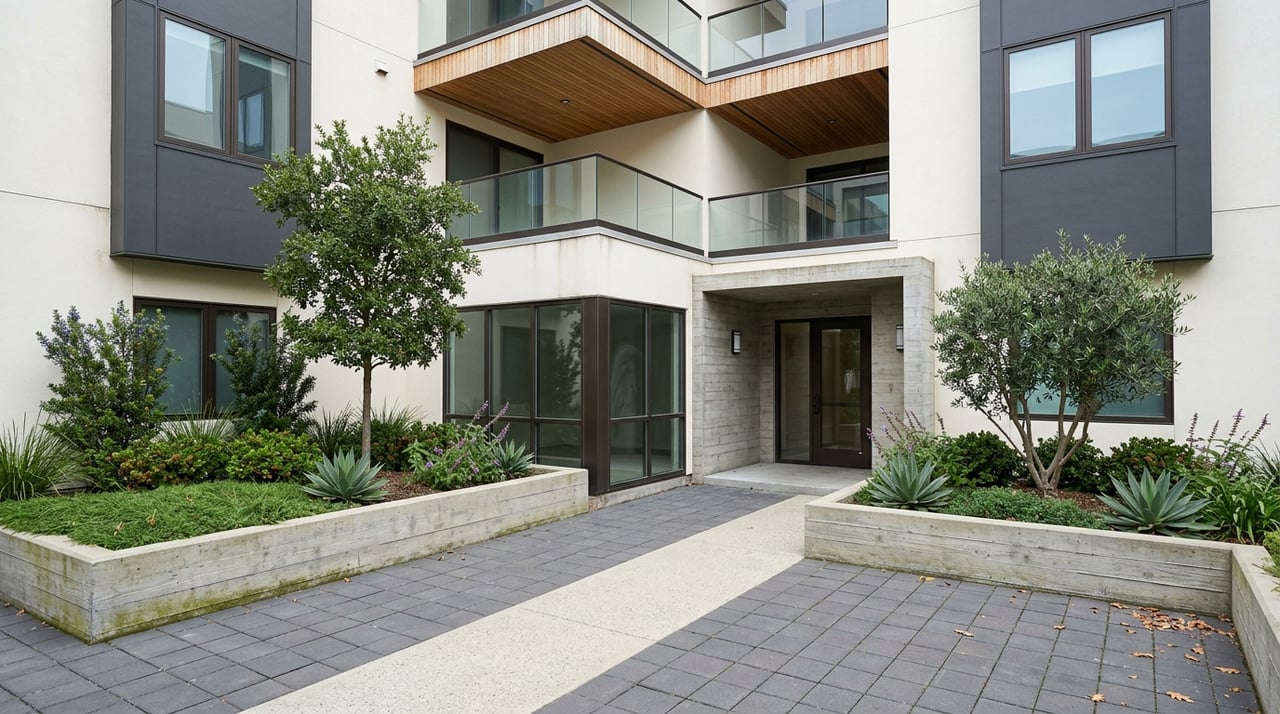
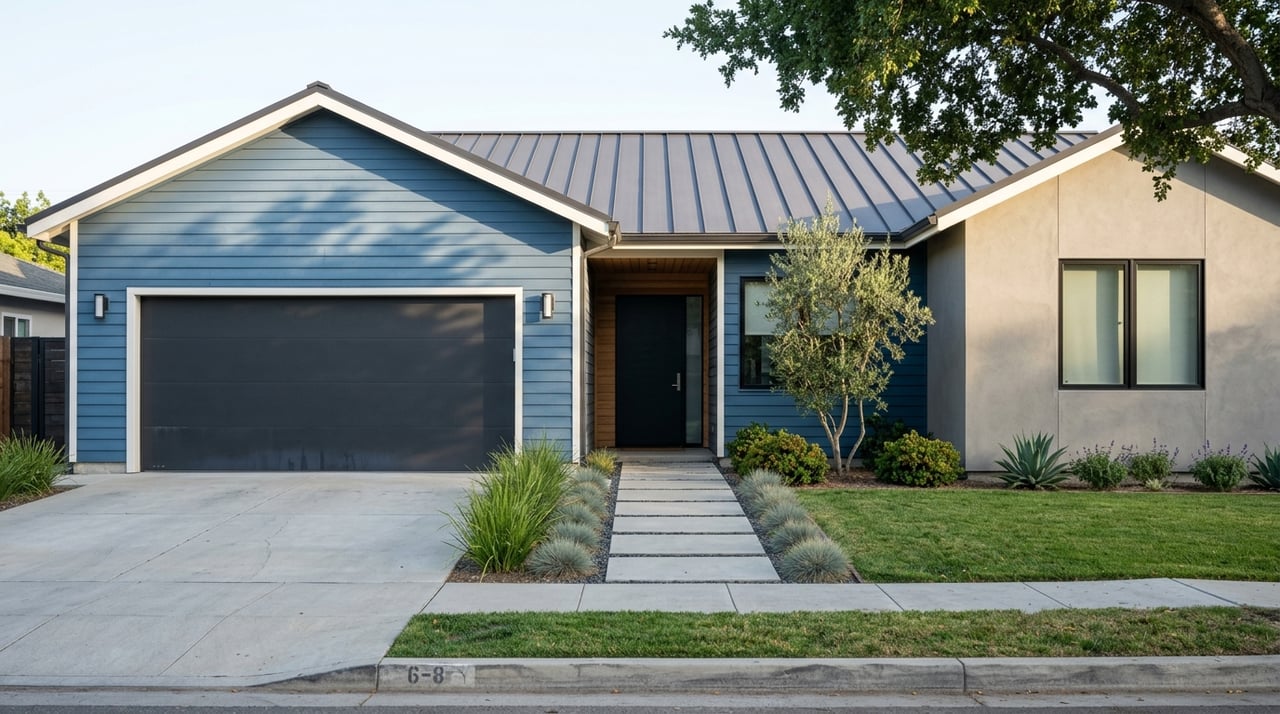
That means your options may include established single-family homes on quieter residential streets, as well as condos, apartments, and mixed-use residential opportunities closer to transit and downtown. Depending on your goals, Millbrae can work for both convenience-focused buyers and buyers who want more space.
City materials also reference hillside homes with bay views, while station-area planning supports higher-density development near the transit core. In practical terms, Millbrae offers a spectrum: more residential pockets away from the station, and more transit-oriented living closer to downtown and rail connections.
That flexibility is a big reason Millbrae appeals to different buyer profiles. You can prioritize commute ease, more traditional neighborhood surroundings, or a balance of both.
For price context, the research report notes that Redfin reported a February 2026 median sale price of about $2.2 million, while Zillow reported an average home value of about $2.01 million as of January 31, 2026. These are different measures, but both point to Millbrae being a high-cost Peninsula market.
For you, that means it is important to go beyond broad pricing headlines and look at home type, location relative to transit, lot size, condition, and long-term fit. In Millbrae, those details can shape both value and lifestyle in a big way.
Millbrae can make sense for several kinds of buyers. If you want a city with meaningful transit access, everyday dining options, established residential neighborhoods, and usable parks, it checks a lot of boxes.
It may be especially appealing if you are deciding between a condo or apartment near the station for convenience, or a single-family home in a quieter residential area for more space. That range is one of the city’s strongest advantages.
If you are considering a move in Millbrae or elsewhere on the Peninsula, working with a local advisor can help you compare housing types, block-by-block tradeoffs, and pricing strategy with more confidence. When you are ready to explore your options, connect with Nick Villanueva for tailored guidance on Millbrae homes and the broader Peninsula market.
Explore additional blogs for helpful tips and real estate knowledge.
Partner with Nick Villanueva for expert guidance, trusted service, and results that matter.
GET IN TOUCH

NICK VILLANUEVA | CA DRE# 02147224
ADDRESS 2 TOWER PL STE 1380 SOUTH SAN FRANCISCO CA 94080