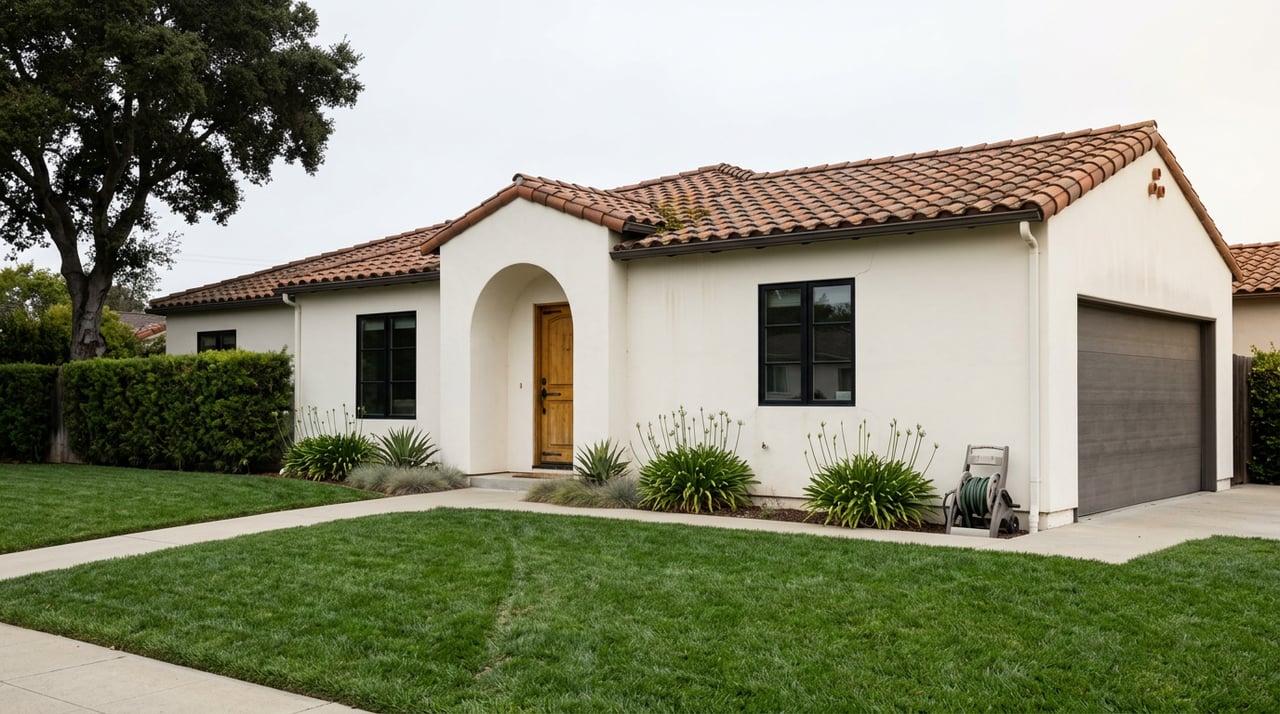
Wondering if a Daly City condo is the right move for you? You are not alone. Many first‑time buyers compare Daly City to San Francisco and Peninsula options for value, commute time, and predictable monthly costs. In this guide, you will learn what condos typically cost in Original Daly City, how HOA fees work, what to look for in the documents, and how your commute stacks up to San Francisco and the Peninsula. Let’s dive in.
Why consider Original Daly City
Original Daly City sits at the northern edge of San Mateo County with quick access to San Francisco and the Peninsula. You will find a mix of established condo communities and townhome clusters alongside smaller single‑family parcels. Many buyers choose this area for practical reasons: wider price bands than core San Francisco, predictable amenities, and strong transit access.
What condos cost in 2026
As of February 2026, Daly City’s condo prices vary widely by complex, size, parking, and amenities. Instead of a single “average,” use ranges to set expectations.
Entry/value range
- Older communities, including parts of Serramonte and Crown Colony, have shown resale activity roughly in the $300,000 to $650,000 band in 2024 and 2025. These are often garden‑style or mid‑rise buildings with shared amenities like pools and clubhouses.
Mid‑range and larger units
- Larger condos and townhomes with more interior space, private garages, or newer finishes commonly fall in the $650,000 to $1.2 million range. Expect higher prices for units with deeded parking, in‑unit laundry, or hillside views.
Pricing moves with building condition and HOA strength, so always compare recent sales within the same complex and stack.
HOA dues explained
Monthly HOA fees in Daly City commonly range from about $350 to $900 or more per month. In 2024 and 2025, representative listings showed dues such as $450, $559, $572, and $915. The fee level depends on amenities, building systems, on‑site staffing, and whether utilities are included.
What HOA fees usually cover
- Routine operations: common‑area cleaning, landscaping, pool and fitness upkeep, elevator service, trash.
- Administration and insurance: management, accounting, legal, master insurance policy.
- Long‑term reserves: planned funding for roofs, paving, elevators, and other major components.
- Extras: some associations include water, cable, or parking. Others bill these separately.
Tip: In each listing or resale packet, look for the “association fees include” line items and the operating vs. reserve split in the budget. Understanding that split helps you gauge the association’s long‑term plan. The Community Associations Institute explains reserve study best practices and why they matter to your costs over time. See the overview on reserve requirements and guidance from CAI’s reserve study resource.
Reserves, inspections, and special assessments
California requires associations to plan for big‑ticket repairs through reserve studies. A low reserve balance can lead to large special assessments when projects cannot be delayed. Older wood‑framed elements like balconies and exterior walkways must now be inspected under Civil Code section 5551, often called SB 326. Cities and associations summarize what these inspections cover and how results can impact project planning. For a clear consumer explainer, review the SB 326 overview.
Recent legislative updates also add disclosure focus on exterior elevated element inspection reports. You can read the text of current proposals and statutes on the state site, including SB 410.
How to read the HOA documents
Under California’s Davis‑Stirling Act, sellers must provide a resale packet that includes governing documents, current budget, reserve study or schedule, recent financials, insurance certificates, and a cover sheet. Associations must deliver requested documents within 10 days of a written request and may charge a reasonable, itemized fee. For a practical summary of the timing and contents, see this Davis‑Stirling resale‑packet guide.
What to request early
- CC&Rs, bylaws, and operating rules.
- Current budget and recent financial statements.
- Reserve study or reserve schedule.
- Insurance declarations for the master policy.
- Last 12 months of board meeting minutes.
- Delinquency and owner‑occupancy summaries.
- Litigation and liens disclosures.
What to look for in the paperwork
- Reserve health: date of the last study, percent funded, and any near‑term projects. Ask about completed or pending projects that could lead to assessments.
- Dues stability: budget trends, operating deficits, or dues increases year over year.
- Delinquencies: high owner delinquency can signal stress and may limit some loan options. FHA guidance flags 15 percent delinquency as an important threshold. See the plain‑English overview of these limits in this FHA condo approval summary.
- Insurance scope: identify whether the master policy is “bare walls” or “walls‑in,” the deductible amount, and any exclusions. This affects your HO‑6 policy and any loss assessment coverage you should carry. For consumer‑friendly definitions, review this condo insurance explainer.
- Rules that impact lifestyle or financing: rental caps, pet policies, and alteration rules.
- Litigation: construction‑defect or vendor disputes can affect insurability, lender approvals, and timelines.
Financing and project approvals
Your loan options depend not only on your credit and income but also on the condo project’s status. Some communities are not on FHA, VA, or agency approval lists and may need a single‑unit approval or more documentation. Lenders look at reserves, owner‑occupancy, and delinquency when underwriting condos. Review the federal guidance in HUD’s Handbook 4000.1 and discuss project status with your lender before you remove your loan contingency.
Commute realities from Daly City
Location and transit access are Daly City strengths. Your actual time will vary by time of day, but the options are flexible.
To downtown San Francisco
- BART: The Daly City station is a major hub with frequent trains into San Francisco. Typical rides to central downtown stations are about 18 to 22 minutes depending on the line and stop. Check current schedules and plan trips from the BART Daly City station page.
- Driving: I‑280 provides a direct route north. Allow a wide range based on peak traffic and your exact destination.
To the Peninsula job centers
- SamTrans ECR: This all‑day route connects Daly City BART to San Mateo and Redwood City, then on to Palo Alto. It is a one‑seat bus option for many Peninsula destinations. See stops and schedules on the SamTrans ECR route page.
- Caltrain: Daly City does not have a Caltrain station. Most riders drive, take a local bus, or ride BART to Millbrae or South San Francisco to connect to Caltrain southbound. For a sense of station order and travel times, browse a sample Caltrain timetable view.
- Driving: US‑101 and I‑280 reach most Peninsula nodes in shorter times outside peak periods. Plan with time‑of‑day in mind.
To SFO
- BART offers direct or easy transfer options between Daly City and SFO depending on service pattern and terminal. Check the BART Daly City station page for trip planning.
Build a realistic monthly budget
Before you write an offer, price out the full monthly picture. A clear budget will keep you grounded when you face competitive bidding.
- Principal and interest based on your rate and down payment.
- Property taxes using your target price and county rate.
- HOA dues from the listing or resale packet.
- Condo insurance (HO‑6), including loss assessment coverage sized to the HOA deductible.
- Utilities not covered by the HOA.
- Parking costs, EV charging fees, or storage fees if any.
- Commuting costs and a contingency reserve for maintenance.
Quick buyer checklist
Use this compact list to stay on track before you remove contingencies.
- Request the full HOA resale packet early. California associations must deliver requested documents within 10 days, per Davis‑Stirling rules. See a summary of the timing and contents in this resale‑packet guide.
- Verify reserve study details and percent funded. Ask about planned or recent capital projects and the likelihood of special assessments. Read CAI’s reserve guidance for context on why funding levels matter: reserve study overview.
- Get the master insurance declarations and price your HO‑6 accordingly, with loss assessment coverage aligned to the HOA deductible. Learn the policy types here: condo insurance basics.
- Read the last 12 months of board minutes and ask the manager about any recurring vendor issues or upcoming projects.
- Confirm financing pathways with your lender, including FHA, VA, and conventional options. Review the federal standards in HUD Handbook 4000.1 and see a practical FHA overview here: FHA condo approval summary.
- Test your commute during your likely travel windows and verify parking, guest parking rules, and EV charging policies before you commit.
The bottom line
Buying a condo in Original Daly City can deliver solid value, fast access to San Francisco, and workable Peninsula commutes. Focus on the building fundamentals that drive long‑term costs: reserve health, insurance structure, dues stability, and any inspection‑driven projects. Combine that with a clear look at your commute and parking reality, and you will make a confident choice.
If you want neighborhood‑level advice and help comparing specific buildings, reach out to Nick Villanueva. You will get hands‑on guidance, on‑market and private listing access, and a clear plan from pre‑approval to closing.
FAQs
What are typical Daly City condo HOA fees in 2026?
- Many Daly City condos show monthly dues in the $350 to $900+ range, depending on amenities, utilities included, staffing, and reserve funding.
How long is the BART ride from Daly City to downtown San Francisco?
Can I use an FHA loan to buy a Daly City condo?
- Possibly. Eligibility depends on the condo project’s status and underwriting factors like reserves and delinquencies. See HUD’s rules in Handbook 4000.1.
What should I look for in a condo reserve study?
- Check the date, percent funded, and the near‑term project list. Low funding or big upcoming projects can lead to special assessments. See CAI’s reserve study overview.
How do exterior balcony inspections affect buyers in Daly City?
- Civil Code section 5551 (SB 326) requires inspections of exterior elevated elements in many communities. Results can affect reserves and future assessments. Review this SB 326 overview.