

February 5, 2026
Wish you could live by the ocean without giving up access to San Francisco and the Peninsula? Pacifica offers that mix: beach mornings, cliffside trails, and a quieter pace within a practical commute. You also need to know about the fog, the Highway 1 bottlenecks, and how coastal living affects homes and budgets. In this guide, you’ll learn what day-to-day life looks like, how commuting works, what typical homes cost, and practical tips to buy or rent with confidence. Let’s dive in.
Pacifica is a small coastal city just south of San Francisco with a relaxed, outdoorsy feel. You get everyday access to scenic beaches and bluffs, plus neighborhood parks and open space. The setting is the draw: dramatic coastline, green hills, and a slower pace than busier Peninsula hubs.
For beach time, Pacifica State Beach (Linda Mar) is the local favorite. It is beginner-friendly for surfing and home to surf schools and rentals. Rockaway Beach and Mori Point add rugged scenery and short hikes with panoramic views. On clear days, the Coastside Trail and the Devil’s Slide segment offer stunning lookouts and birding.
Daily life is more local than splashy. You’ll find casual spots for coffee, breakfast burritos, and seafood, along with small clusters of services and grocery stores. For bigger shopping runs, many residents drive to nearby Daly City or South San Francisco.
Pacifica has a cool-summer coastal climate. Expect frequent marine fog and daytime highs often in the 50s to 60s in summer, with mild, wetter winters. If you prefer warm, sunny summers, Pacifica may feel cooler than inland Peninsula towns.
That ocean air is part of the magic, but it also matters for home care. Salt spray and humidity can speed up corrosion and wear on exterior finishes. Good ventilation is important to keep moisture in check, especially in older homes.
Here are simple ways to stay ahead:
Highway 1 runs through Pacifica and is the main route in and out. Many drivers connect to I-280 for destinations on the Peninsula or head north to Daly City and San Francisco.
Typical drive-time ranges vary with traffic and weather:
Transit is available but not as direct as in larger cities. SamTrans buses connect Pacifica to Daly City and other Peninsula points. Many commuters take the bus or drive to Daly City BART for faster access to downtown San Francisco or the East Bay. Caltrain does not serve Pacifica directly, so you connect by bus or car to nearby stations. Biking is possible for short local trips, but hills and coastal wind can make longer rides challenging.
Parking is usually straightforward in residential areas. Expect crowding near major beaches and trailheads on weekends and holidays, especially on sunny days.
You will find the basics in town: grocery stores, pharmacies, and everyday services spread across small commercial clusters. For larger shopping centers and big-box options, residents often head to Serramonte in Daly City or down the Peninsula.
Dining skews local and laid back. Think coffee shops, casual eateries, and seafood spots that fit the surf-and-trail lifestyle. Weekend rhythms revolve around the beach, hiking, and neighborhood parks rather than nightlife districts.
Healthcare includes local primary care and clinics. For hospitals and specialty care, many go to Daly City, South San Francisco, San Mateo, or Burlingame. Education is served by local elementary and middle schools, with Terra Nova High School as the main high school within the Jefferson Union High School District. For higher education, Skyline College in San Bruno and other Peninsula community colleges are a short drive away.
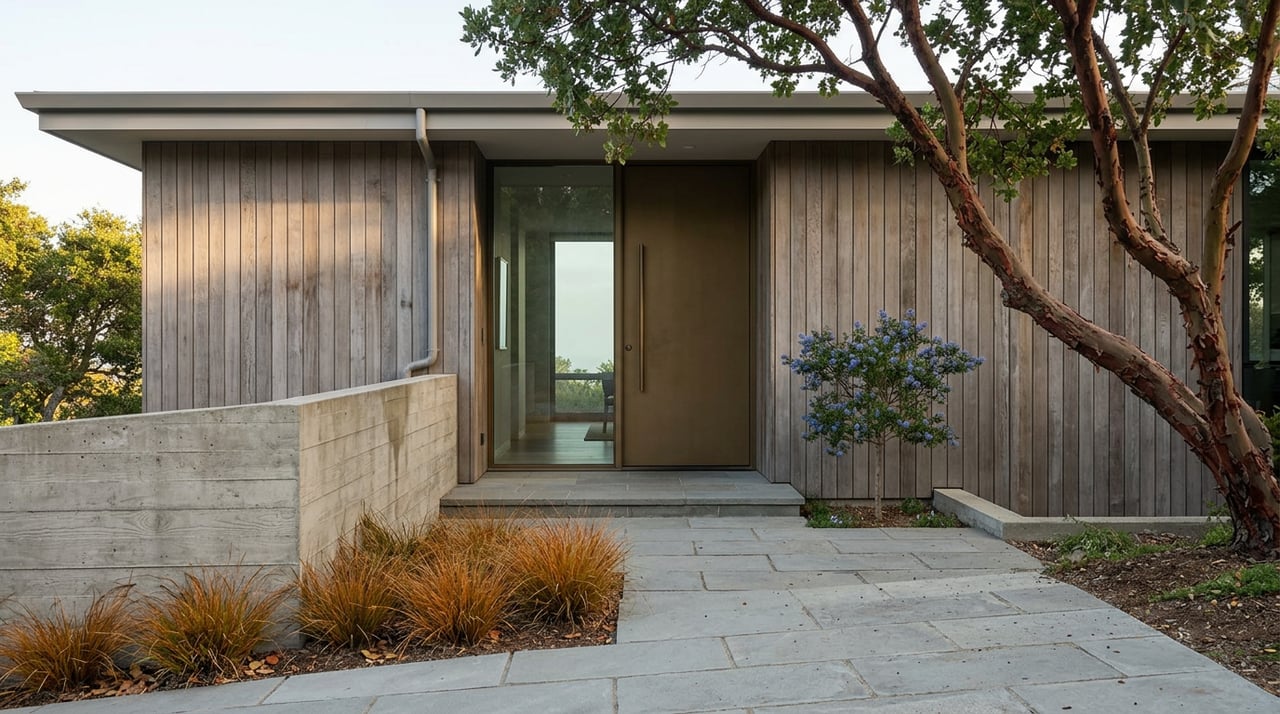
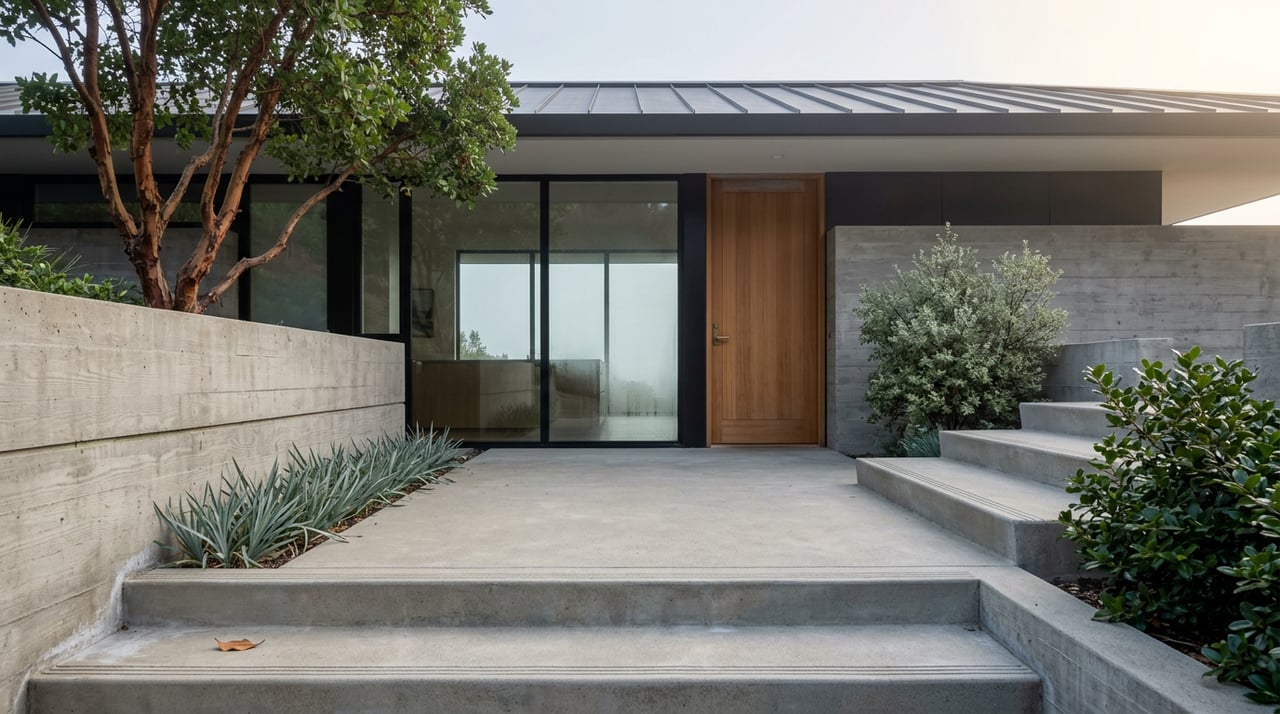
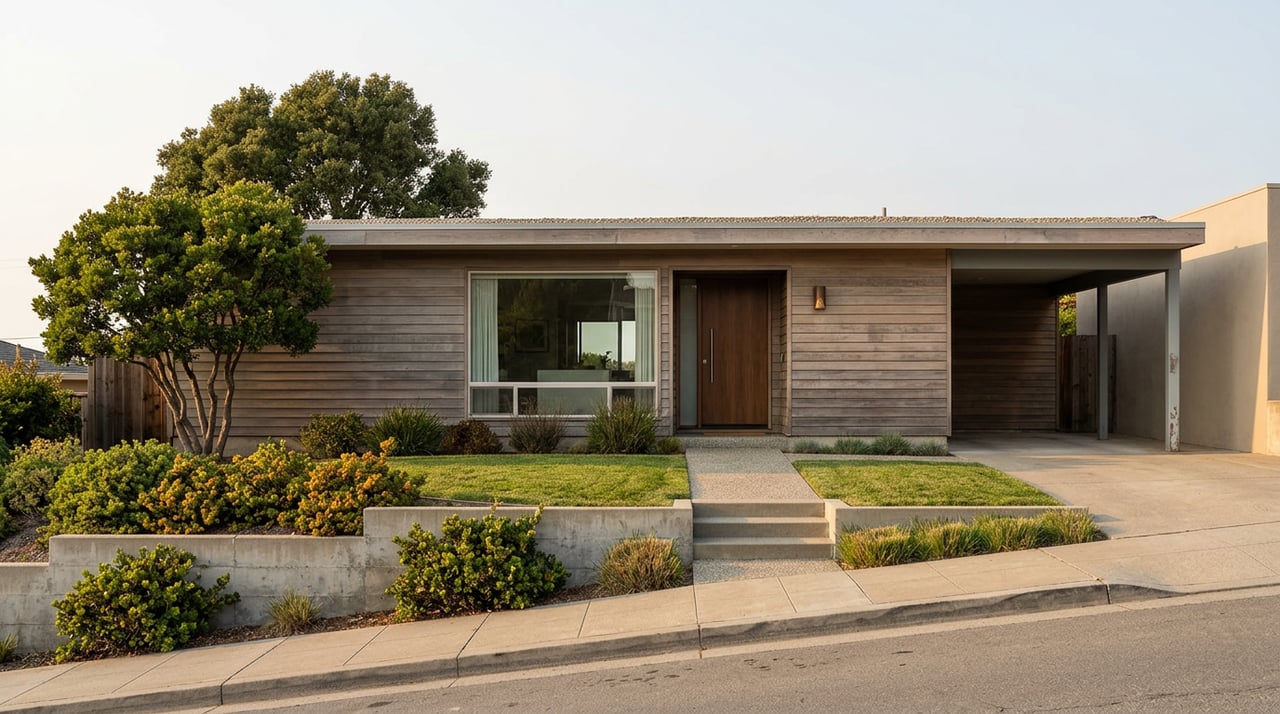
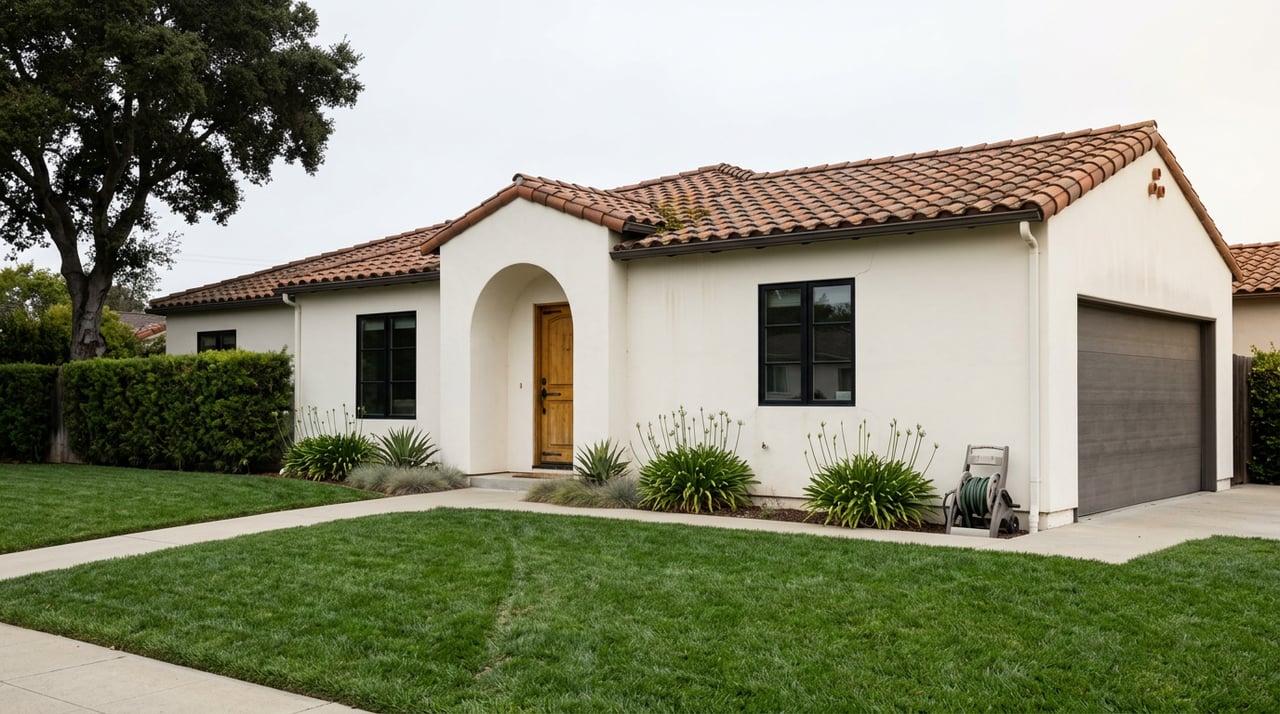
Pacifica’s housing stock is dominated by single-family homes, with a mix of 1940s to 1960s bungalows, mid-century ranches, and contemporary remodels. Many homes sit on modest lots. Some areas offer hillside or ocean views, which command a premium. Condos and townhomes exist but in smaller numbers than inland Peninsula cities. Duplexes and small multi-unit buildings are present, providing options for investors.
Approximate mid-2024 price bands:
Rental pricing for 1 to 2 bedroom apartments varies widely and is competitive with other Peninsula and coastal towns. Expect rates above national averages. For current figures, check local property managers or major rental platforms.
Inventory is often tight compared with larger Peninsula markets. That means fewer listings at any one time, and attractive homes can draw multiple offers. Buyers range from local families and San Francisco commuters to remote workers who value lifestyle and investors who see stable demand.
Market conditions can change quickly. Use a current MLS search and talk with a local agent to confirm pricing and neighborhood trends before you make a move.
Parts of Pacifica’s shoreline and bluffs face ongoing erosion and landslide risks. Coastal development is highly regulated, and homes close to the coast or on bluffs can face added permit steps and constraints. As with the rest of the Bay Area, the region is seismically active, so earthquake readiness and retrofit status matter.
Some shorelines fall within tsunami evacuation zones. The city and county publish hazard maps and evacuation routes that are important to review before you buy. If you are considering a home near bluffs, creeks, or flood-prone areas, budget time for due diligence. That may include checking local hazard maps, reviewing permit history, and asking your insurer about coverage for flood or landslide where relevant.
Insurance is generally available, but properties in specific risk zones may require additional policies or specialty underwriting. Confirm coverage early in the process so your purchase timeline stays on track.
Pacifica suits people who want beach and trail access as part of everyday life. If you like quiet residential streets, weekend surf sessions, and quick coastal hikes, the lifestyle clicks. Many buyers split time between office and remote work to make commutes manageable.
It may feel less ideal if you want a dense restaurant and nightlife scene or need immediate proximity to major employer campuses. The microclimate is cooler and foggier than inland towns, which is a plus for some and a tradeoff for others.
Use these steps to stay focused and avoid surprises:
If Pacifica feels like a fit, start with pre-approval and a focused neighborhood tour. Pay attention to street-by-street differences in wind, sun, and views. Compare single-family homes against townhomes or condos to match your maintenance preferences and budget. If you plan to remodel, factor in coastal permitting and lead times.
When you are ready to act, move quickly on well-priced homes. Limited inventory means the best options can attract offers in the first week. Strong preparation and a clear negotiation strategy will help you compete without overreaching.
Buying or selling on the coast benefits from neighborhood-level insight. You want an agent who knows how fog, wind, and ocean exposure affect value, who can spot hidden maintenance issues, and who understands local permitting. You also want professional marketing and access to private or off-market opportunities when inventory is thin.
If you are planning a move in Pacifica or nearby Peninsula cities, connect with a local advisor who blends hands-on service with modern marketing and negotiation. For personalized guidance, access to exclusive listings, and a data-driven plan to buy or sell, reach out to Nick Villanueva. Get Your Instant Home Valuation and start mapping your next step with confidence.
Explore additional blogs for helpful tips and real estate knowledge.

Partner with Nick Villanueva for expert guidance, trusted service, and results that matter.
GET IN TOUCH
NICK VILLANUEVA | CA DRE# 02147224
ADDRESS 2 TOWER PL STE 1380 SOUTH SAN FRANCISCO CA 94080