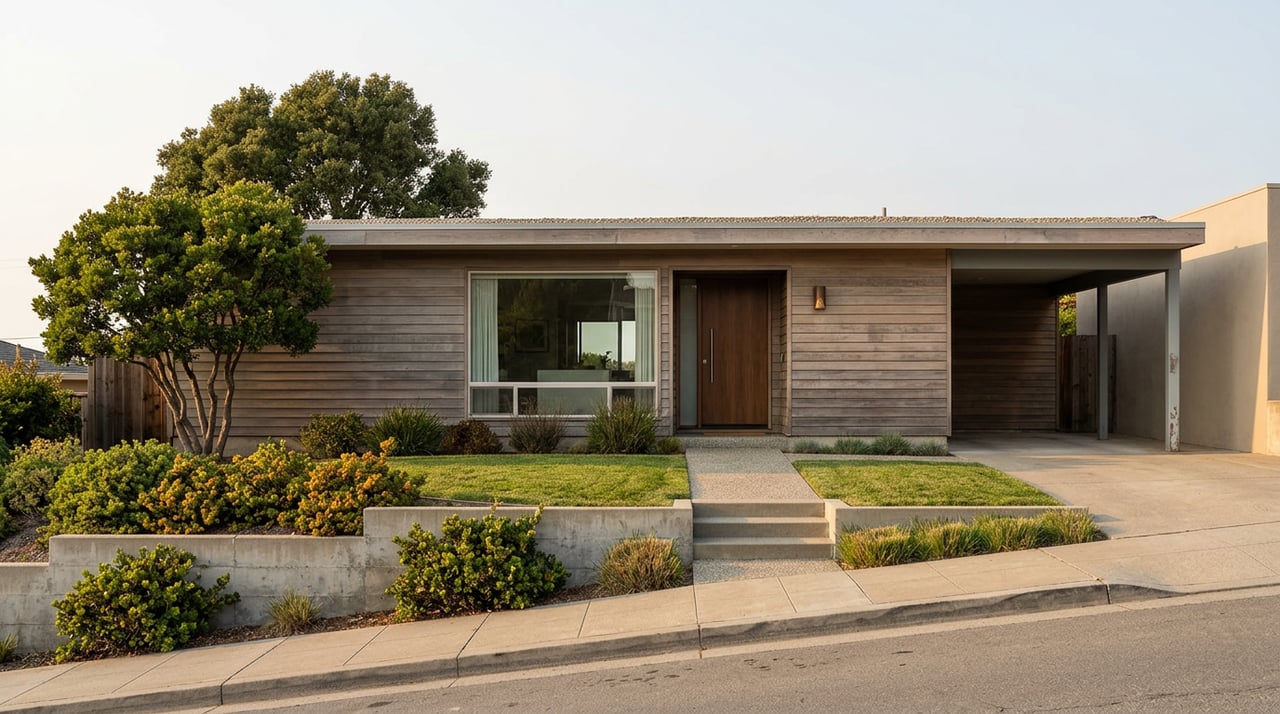
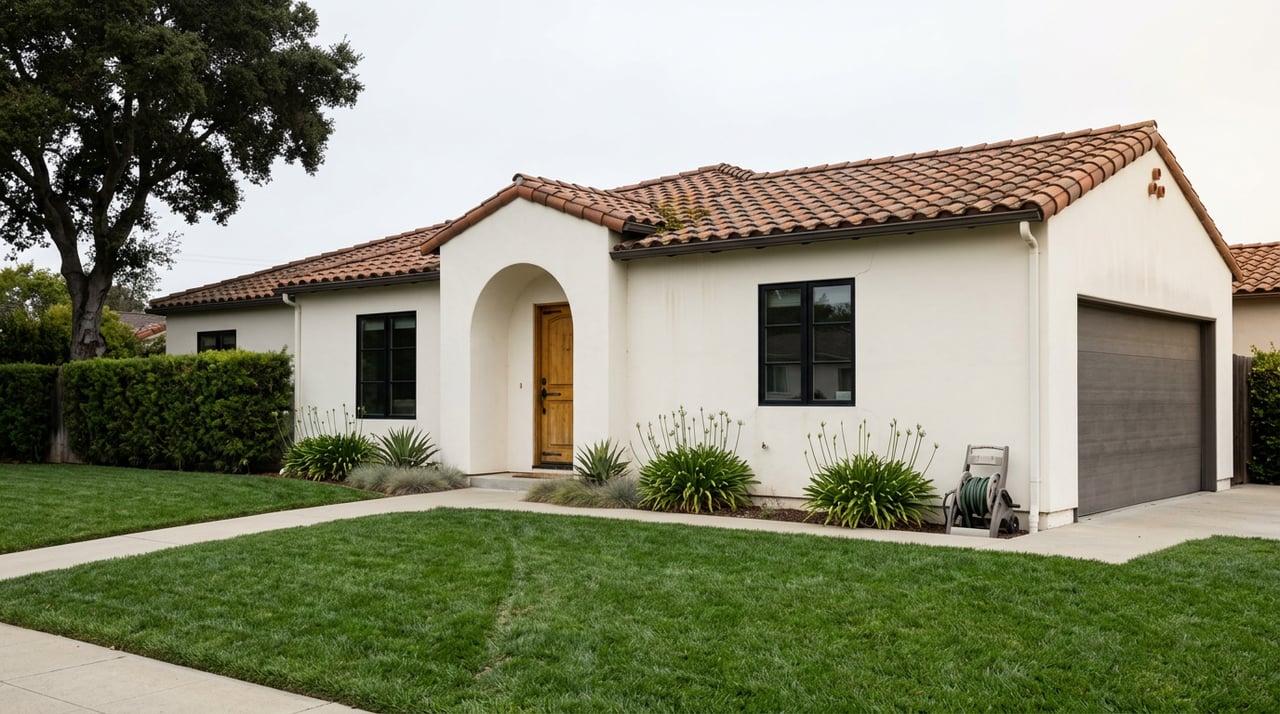
Wondering if you should keep renting or take the leap into homeownership in Daly City? You’re not alone. With easy access to San Francisco and the Peninsula, and a wide range of condos and single-family homes, the choice can feel high stakes. In this guide, you’ll learn how to compare monthly costs, weigh 3–5 year outcomes, and decide what makes sense for your situation right now. Let’s dive in.
Daly City market context
Daly City borders San Francisco and offers direct access to BART and major highways like I-280 and US-101. That convenience supports steady buyer demand from commuters heading to San Francisco and Peninsula job centers. Limited developable land across the Peninsula also constrains supply when demand heats up.
Local prices in the Bay Area have historically risen faster than national averages, but they can be cyclical. Mortgage rate changes, regional hiring, and inventory levels can shift the market from competitive to slow and back again. Keep an eye on rates and local employment trends as you plan your timing.
How to compare monthly costs
Your goal is to compare the full, apples-to-apples cost of renting versus owning. Use a consistent checklist so nothing is missed.
Owning: key line items
- Mortgage principal and interest (P&I) based on your loan size and rate
- Property taxes (base rate plus any local assessments)
- Homeowners insurance
- HOA dues for condos or townhomes
- Maintenance and repairs (often 0.5% to 1% of home value per year)
- Private mortgage insurance (PMI) if you put less than 20% down
- Opportunity cost of your down payment (what those funds could earn elsewhere)
- Potential tax effects if you itemize (confirm with a tax professional)
Renting: key line items
- Monthly rent for a comparable home or condo
- Renter’s insurance
- Savings and investment plan for any monthly cost difference vs. owning
Example condo math (illustrative)
- Purchase price: $700,000 with 10% down and a 30-year fixed loan. P&I might be around $3,780 per month at a mid-range rate. Add estimated property tax, HOA, insurance, and maintenance, and your total could land near $5,300 per month before any tax benefits and PMI.
- Comparable rent for a similar 1-bedroom condo could be meaningfully lower on a monthly basis. Renting may save cash each month while owning builds equity.
These figures are for illustration only. Replace them with current local prices, rents, and your actual mortgage quote before deciding.
Example single-family math (illustrative)
- Purchase price: $1,300,000 with 10% down. The total monthly owning cost can be 1.5 to 2 times comparable rent, depending on rates and taxes.
- This gap can narrow if rates fall or if you plan to own long enough to benefit from appreciation and principal paydown.
Three to five year outlook
Bay Area appreciation has been strong over long periods, but outcomes over 3–5 years can vary. Plan for a range of results.
Appreciation scenarios
- Pessimistic: flat to modest declines over 3–5 years
- Base case: flat to modest gains over 3–5 years
- Optimistic: stronger gains if rates ease and demand outpaces supply
Key risks to watch
- Rate increases that reduce buyer purchasing power
- Slower local hiring or job losses
- Shifts in transit use or infrastructure impacting commutes
- Property-specific issues that limit resale appeal or speed
Liquidity and selling timeline
Resale can take weeks to months depending on price, condition, and market cycle. If you may need to move within 3 years, plan for the risk of selling in a slower market or carrying two homes during a transition.
Flexibility and lifestyle factors
Beyond the math, consider how you want to live for the next few years.
- Mobility: Renting offers easier exits with fewer costs. Buying ties you to transaction timelines and selling expenses.
- Maintenance: Owners handle repairs and capital items. HOAs cover some exterior work for condos, but HOA rules and special assessments can apply.
- Lifestyle: Ownership can bring stability and the ability to customize your space.
- Property type: Condos often have a lower entry price and less exterior maintenance. Single-family homes offer more control and may attract broader resale demand.
A simple 3–5 year framework
Use this step-by-step approach to build your decision with confidence.
- Define your stay and stability
- How likely are you to remain in Daly City for 3–5 years? Consider job outlook and life events.
- Check your liquidity and emergency fund.
- Pull exact local inputs
- Recent sale prices and active listings for comparable condos and single-family homes in Daly City.
- Current rents for similar units.
- Personalized mortgage rate quotes and loan options.
- Property tax rate and any HOA dues for target buildings.
- Typical selling costs based on local experience.
- Model 3-year and 5-year scenarios
- Build pessimistic, base, and optimistic cases for price changes.
- Include total monthly owning costs, buy closing costs, and expected selling costs.
- Estimate rent payments and potential investment growth if you rent and invest the difference.
- Compute key outputs
- Breakeven months for owning versus renting
- Total net cost of owning vs. renting at 3 and 5 years
- Net equity and potential sale proceeds after costs
- Sensitivity to rate changes and price swings
- Make a clear decision
- Buy if you expect to stay beyond breakeven and can comfortably carry the payment with reserves.
- Rent if mobility is likely, cash flow is tight, or your models show a clear financial edge for renting.
Breakeven made simple
Breakeven occurs when the cumulative benefits of owning (equity build plus any appreciation) exceed the extra costs you pay to buy and later sell. A quick way to think about it:
- Add your upfront buying costs and estimated selling costs.
- Compare your monthly rent to your monthly all-in owning cost.
- Divide the total round-trip costs by the monthly difference between renting and owning to estimate breakeven months.
Breakeven example (illustrative)
- If round-trip costs total $60,000 and owning costs $1,500 more per month than renting, breakeven is about 40 months (a little over 3 years), before accounting for equity and appreciation. Updating your inputs can shift this timeline meaningfully.
If you plan to sell, also consider potential eligibility for the primary residence capital gains exclusion after living in the home for at least two of the last five years. Speak with a tax professional for personal guidance.
When buying makes sense now
- You plan to stay at least through your modeled breakeven in most scenarios.
- You value stability, want to customize your space, and can budget for maintenance.
- You have an emergency fund and a comfortable payment even if rates stay higher for longer.
- You see upside in owning a specific, well-located property near transit or job centers.
When renting makes sense now
- You expect a job move, relocation, or major life change within 3 years.
- The monthly cost gap between owning and renting is large, and you can invest the difference.
- You want to watch rates or save for a larger down payment to improve affordability later.
Next steps in Daly City
- Get current condo and single-family comps for your target neighborhoods.
- Ask a lender for personalized rate quotes and total monthly payment estimates.
- Build your 3-, 4-, and 5-year scenarios with realistic closing and selling costs.
- Compare at least three properties and one rental option to see your true breakeven range.
If you want a clear, local read on your numbers and neighborhood options, let’s talk. You’ll get property-specific comps, realistic cost breakdowns, and a path that fits your 3–5 year plan. Connect with Nick Villanueva to get started.
FAQs
What is breakeven time for Daly City buyers?
- Many first-time buyers target a breakeven around 3 to 4 years, but your timeline depends on your rate, price, HOA, taxes, and selling costs.
How do mortgage rates affect my payment?
- A 1% change in your rate can move a typical Bay Area monthly payment by several hundred dollars, which can shift your breakeven by months.
Are condos or single-family homes better for first-time buyers?
- Condos often have lower entry costs and less exterior maintenance, while single-family homes offer more control and potentially broader resale demand.
How do HOA fees impact buy vs. rent?
- HOA dues raise your monthly owning cost and can offset a lower purchase price; include them in your breakeven and watch for special assessment risk.
Can I rent out my Daly City home if I move early?
- Many owners keep flexibility by ensuring the property can rent competitively, but confirm HOA and lender rules before relying on this plan.
How should I estimate property taxes in San Mateo County?
- Start with about 1% of assessed value plus local assessments, then confirm the exact rate and any district charges for the specific property.