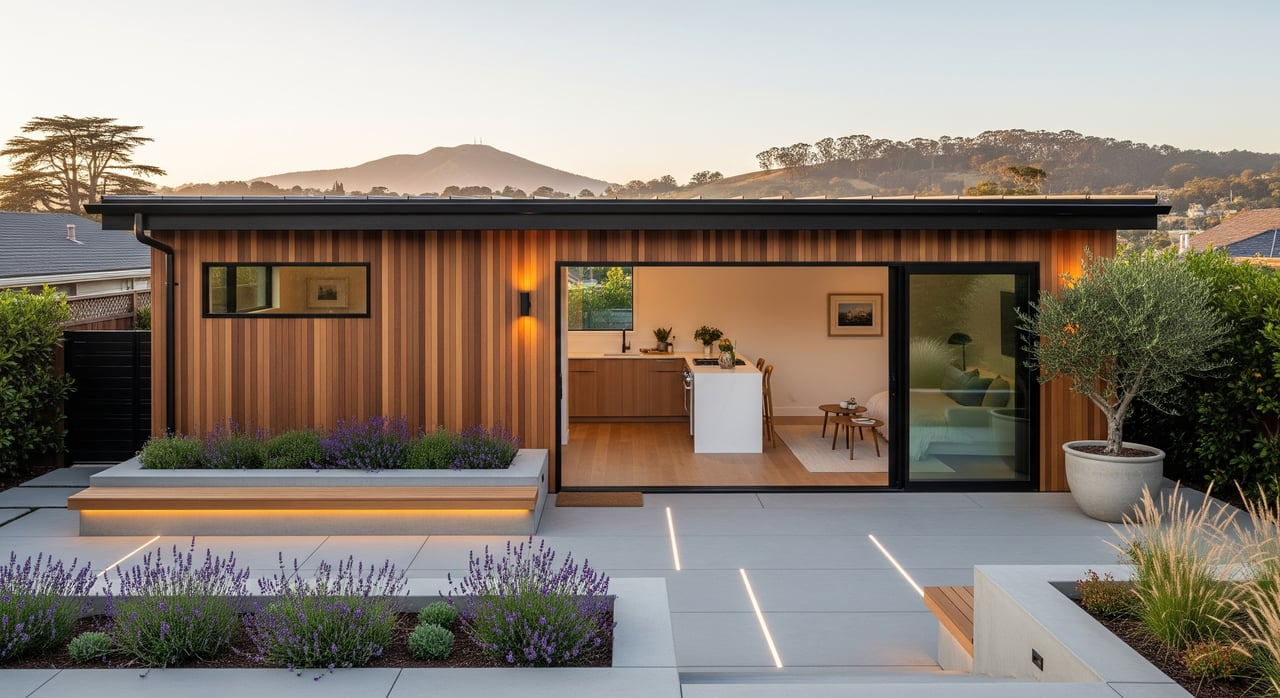
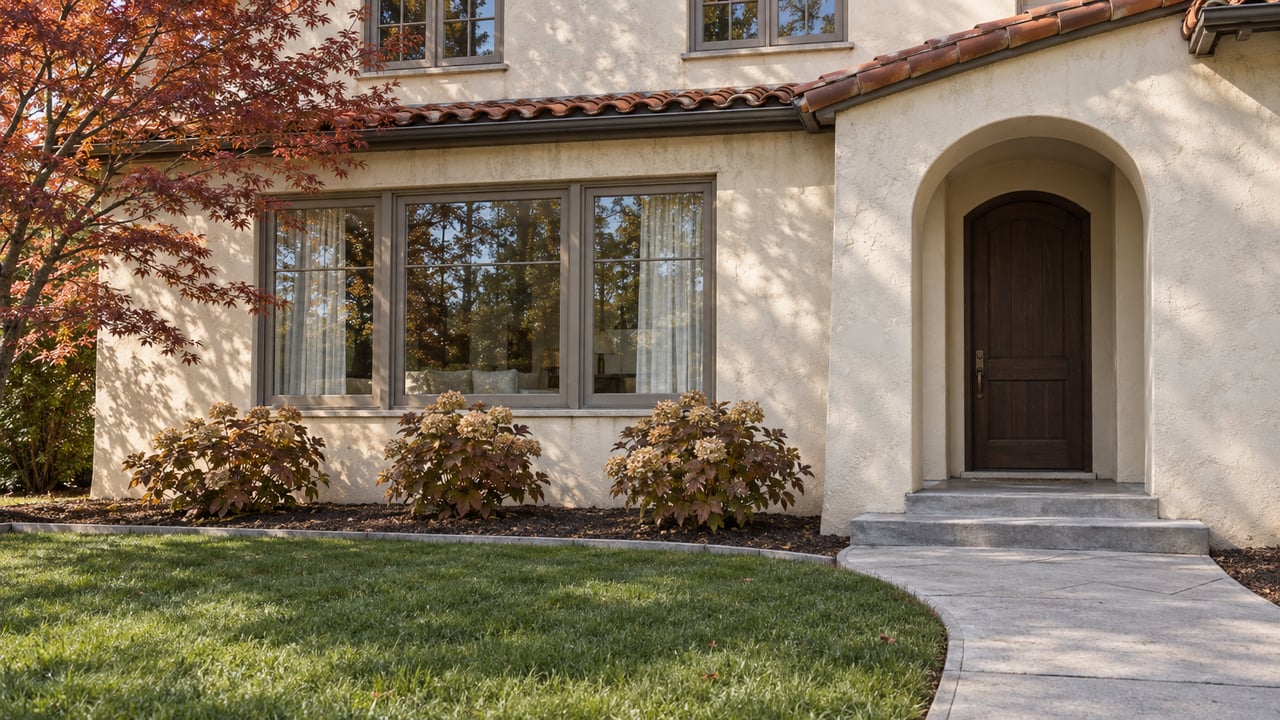
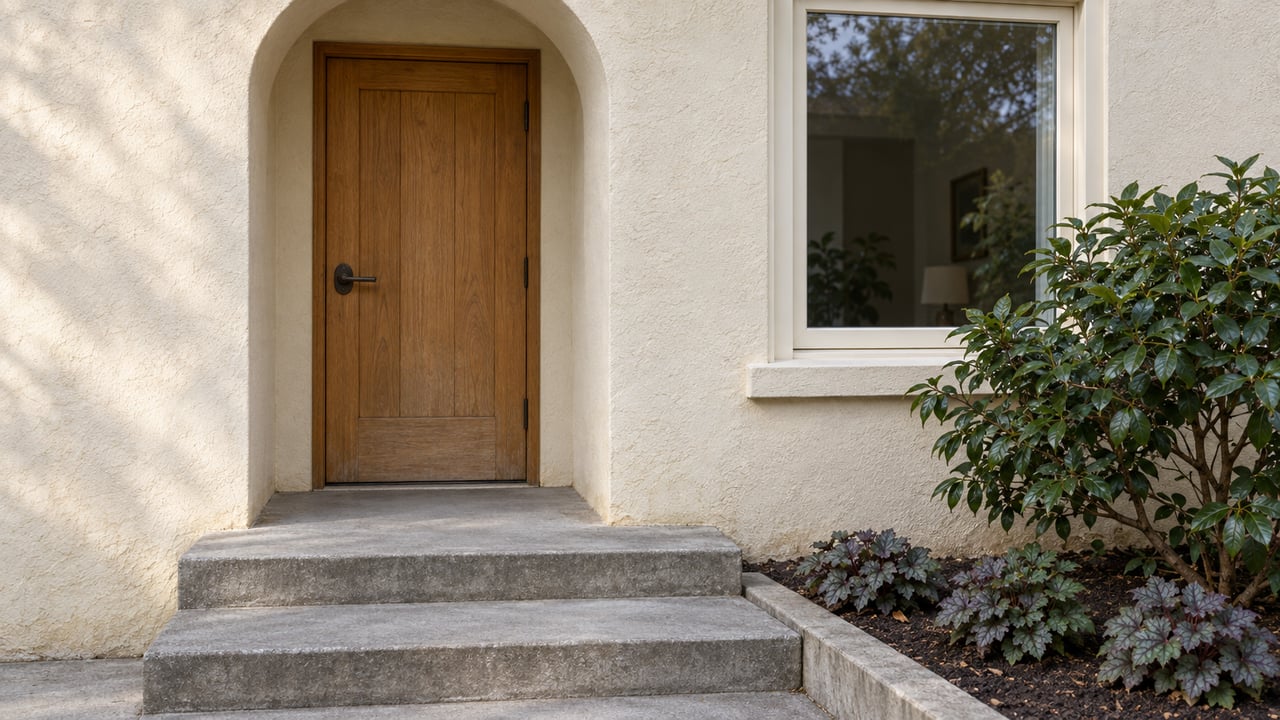
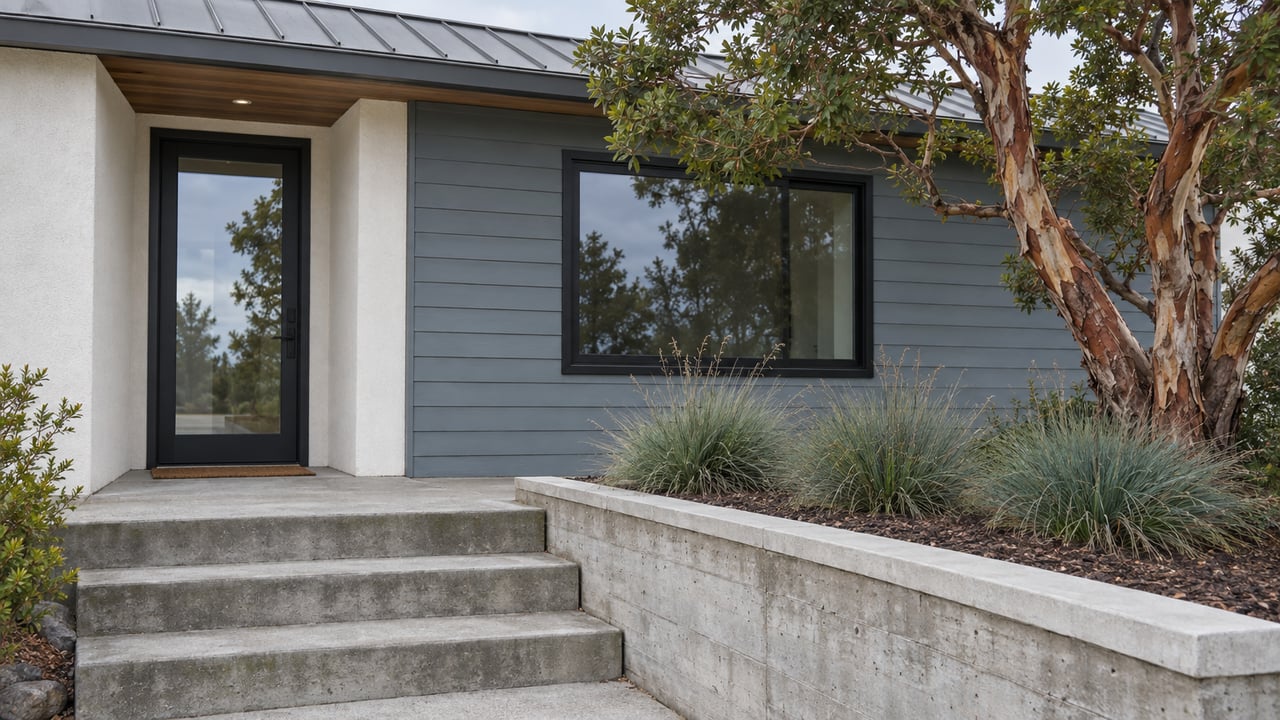
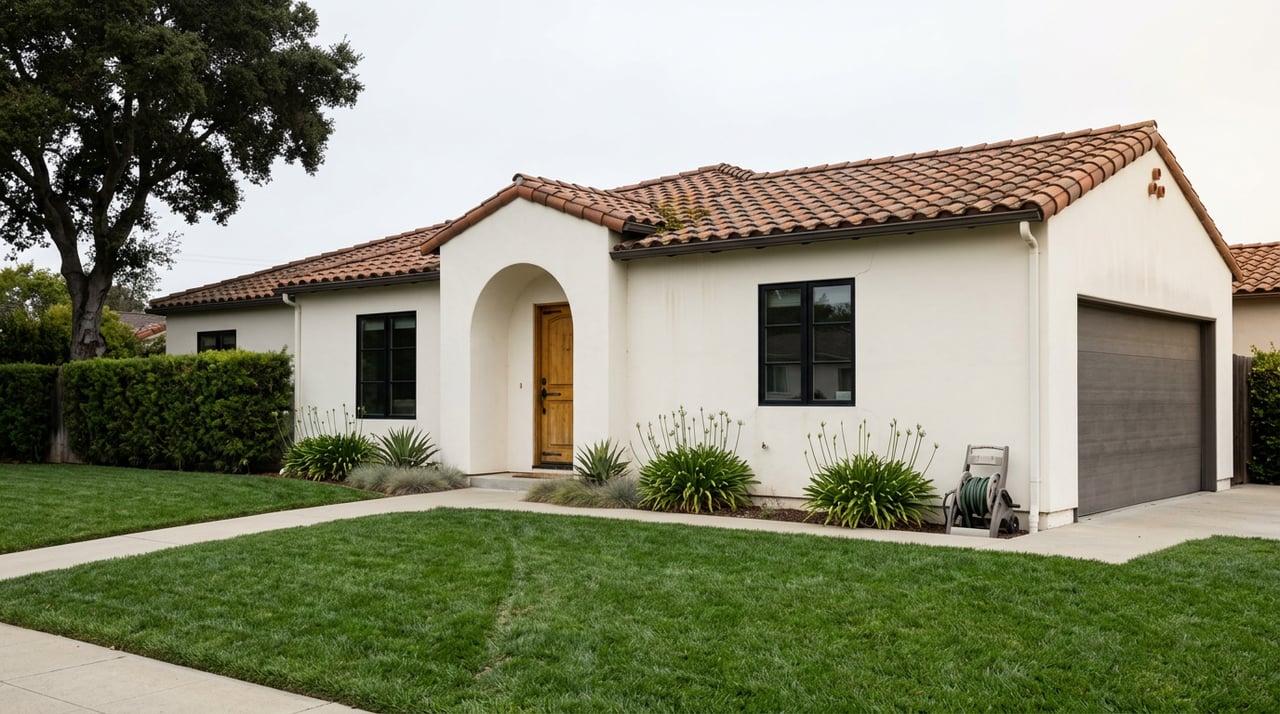
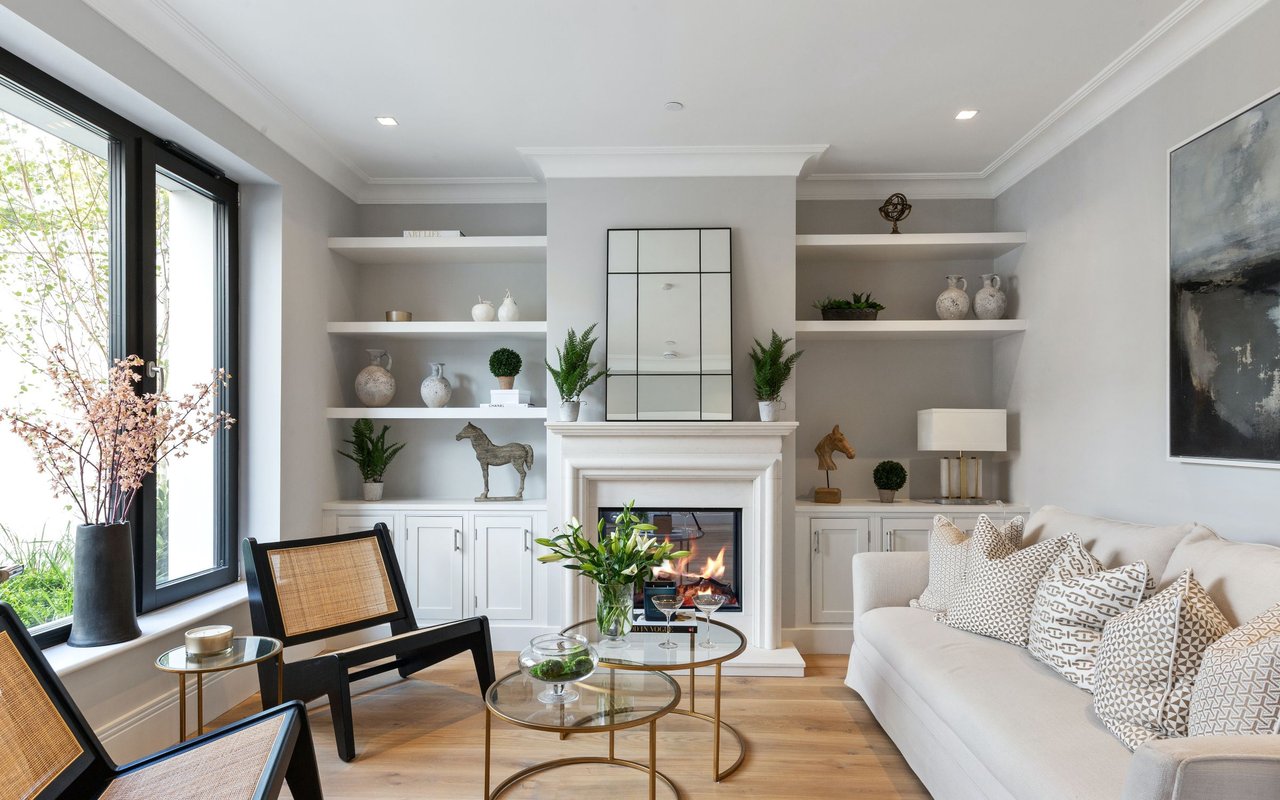
Thinking about turning a garage into a studio or adding a small backyard cottage in San Bruno? You are not alone. California has made it easier to build accessory dwelling units, and homeowners across the Peninsula are creating space for family or rental income. Still, every lot is different and local details matter. This guide walks you through the essentials so you can plan an ADU with clarity and confidence. Let’s dive in.
ADU basics in San Bruno
An accessory dwelling unit is a secondary housing unit on the same lot as a primary home. In San Bruno, you typically consider four options:
- Detached ADU: a stand-alone backyard cottage.
- Attached ADU: an addition connected to your main home.
- Garage conversion: converting an existing garage to living space.
- Junior ADU, or JADU: a small unit created within your existing home, often 500 square feet or less.
California law has streamlined ADUs across the state. Cities still apply objective standards like setbacks, height, design, and utility rules, but they must allow ADUs that meet state and local criteria. Your experience will be shaped by San Bruno’s submittal checklist, plan review process, and local utility requirements.
San Bruno ADU rules that matter
- State framework: Since 2017, state law has made ADUs more feasible by limiting local barriers, reducing parking mandates near transit, and requiring ministerial review for compliant ADUs.
- Local standards: San Bruno can set objective rules for setbacks, height, lot coverage, and design. The city also controls permit submittal requirements, fees, and plan-check timing.
- Parking near transit: Many ADUs near BART or Caltrain stations face fewer or no parking requirements. Your exact parking needs depend on proximity to transit and local rules.
- Utilities and fire code: Plan for sewer connections or lateral upgrades, water and electric service extensions, and full building and fire code compliance.
- Owner occupancy: State rules have pulled back on broad owner-occupancy mandates for many ADUs. Some specific programs or JADUs can differ, so verify current requirements.
The bottom line: if you meet objective standards, you should have a clear ministerial path. Confirm the latest standards and fee schedule with the City of San Bruno before you design.
Is your lot a good candidate?
- Lot size and coverage: Smaller Peninsula lots can constrain detached options. Attached ADUs or conversions usually fit more easily.
- Privacy and access: Think about entrances, sightlines, and a simple, safe path for emergency access. A separate entry boosts livability and future value.
- Sun and microclimate: San Bruno’s mild weather supports outdoor living. A small patio, sliding doors, or a shared yard can make a compact ADU feel larger.
- Trees and drainage: Tree protection and stormwater rules affect placement. Keep room for landscaping and infiltration.
- Overlays and HOAs: Parcels near the airport may involve added height or avigation considerations. Private HOAs and historic rules can also apply.
If you anticipate a utility upgrade or a slope, budget time for engineering and plan-check comments.
Permits and timeline in San Bruno
Here is the typical path to approval and construction:
- Feasibility check: Confirm zoning, setbacks, height, lot coverage, and utility capacity. Ask Planning about ministerial review and any pre-approved plans.
- Design and plans: Prepare architectural drawings, site plan, elevations, energy compliance, and structural calculations. Add geotechnical input if needed.
- Application submittal: File planning and building applications, and coordinate with public works and fire as required.
- Plan check and revisions: Respond to plan-check comments and resubmit as needed.
- Permit issuance and construction: Schedule inspections and keep records of approvals.
- Final steps: Final inspection, certificate of occupancy, address assignment, and any rental registration or business license.
Typical timing varies based on complexity:
- Feasibility and pre-design: 2 to 6 weeks.
- Plan preparation: 2 to 8+ weeks, longer if engineering or geotech is needed.
- Plan check and permits: About 1 to 4 months for objectively compliant submittals.
- Construction: 3 to 9 months for conversions and small attached ADUs, and 6 to 12+ months for detached ADUs with foundations and new utilities.
Expect longer timelines if you need a sewer lateral replacement, have steep grades, or face limited plan-check capacity.
ADU types and when each works
Garage conversion
You repurpose an existing structure. This is often the most cost-efficient and fastest route. It works well if you can satisfy parking needs on site or near transit and if the garage structure is sound.
Attached ADU
You build an addition to the main home. You may reduce sitework and preserve yard space, but you will address structural tie-ins and fire separation. This can be a smart choice on small lots or for multigenerational living.
Detached ADU
You construct a stand-alone unit. This is the most flexible for layout and privacy. It typically costs more due to foundation work, trenching for utilities, and site grading, but it often delivers the strongest long-term rental appeal.
Junior ADU (JADU)
You carve out a small unit within your existing home. This is commonly the lowest cost and fastest to complete. It is a good option for an office conversion, caregiver space, or starter rental.
Design choices that add value
- Separate entrance and a privacy buffer between units.
- Plenty of natural light, thoughtful storage, and efficient layouts.
- Outdoor space such as a small patio or fenced area for the ADU.
- Soundproofing and clear utility separation or submetering for easier management.
- Universal design touches like single-level living, wider clearances, and step-free entries.
Costs, fees, and financing on the Peninsula
Every project is unique, but typical ranges in San Mateo County look like this:
- Garage or interior conversion: often tens of thousands to low six figures, roughly 30,000 to 150,000 dollars depending on scope.
- Attached ADU: usually mid to high hundreds of thousands for modest additions.
- Detached ADU, 400 to 1,000 square feet: commonly about 200,000 to 500,000 dollars or more based on sitework, utilities, and finishes.
- JADU: often the lowest cost, from several thousand to low tens of thousands.
Key cost drivers in San Bruno:
- Sitework such as grading, retaining walls, drainage, and access.
- Sewer and water connections, especially if you must replace a lateral or extend lines.
- Structural and foundation upgrades for seismic performance.
- Bay Area labor and materials, finish level, and mechanical systems.
- Separate meters versus submetering.
Common financing options include HELOCs, cash-out refinances, construction-to-permanent loans, personal loans, or specialty ADU lenders that understand local permitting. Impact and connection fees may be reduced or prorated for smaller ADUs under state law. Confirm San Bruno’s current fee policies and any regional incentives for small or affordable ADUs.
Parking, utilities, and access
- Parking: Your requirements depend on transit proximity and local rules. Being near BART or Caltrain can reduce or remove on-site parking needs. In areas with limited street parking, plan realistic solutions.
- Utilities: Evaluate sewer capacity and lateral condition early. Decide whether to extend separate meters or use submeters for electric, gas, and water. Early conversations with utility providers keep your schedule on track.
- Building systems: California energy code applies to ADUs. Choose efficient HVAC, ventilation, and insulation to control operating costs and improve comfort.
- Fire and safety: Provide clear access and address fire separation between units. Confirm any sprinkler requirements with the appropriate authority.
Renting your ADU in San Bruno
ADUs are popular for long-term rentals and multigenerational living. If you plan to rent:
- Tenant laws: Follow California landlord-tenant regulations, including eviction protections and any local rent rules that apply.
- Short-term rentals: Many Bay Area cities restrict or regulate short-term rentals. Verify San Bruno’s policy and registration requirements before listing.
- Registration and licensing: Some cities require a business license or rental registration for long-term rentals. Check local requirements during final inspections.
- Insurance: Update your homeowner policy to cover the new unit. Landlord coverage can add liability protection.
Document your rent history if you plan to use income for refinancing or resale later.
Resale value, appraisal, and taxes
A permitted, well-designed ADU often broadens your buyer pool and supports value. Buyers like flexibility for family or income, and appraisers can use income or cost approaches when comparable sales are limited.
What helps at resale:
- Finaled permits, inspection records, and a clear unit identity such as an address or unit number.
- Separate utilities or straightforward submetering.
- Quality finishes, natural light, and a private outdoor area.
- Rental documentation if you have a leasing history.
Potential downsides:
- Unpermitted or poorly documented conversions can derail financing and closing.
- Designs that eliminate too much yard or create parking conflicts.
- Higher assessed value from improvements. The San Mateo County Assessor typically adds assessed value for the improvement, so plan for a tax impact.
Step-by-step ADU checklist
Pre-application
- Confirm zoning, setbacks, and height standards with San Bruno Planning.
- Review the city’s submittal checklist and fee schedule.
- Locate utilities and assess your sewer lateral condition.
- Verify proximity to transit if you want parking reductions.
Design and budgeting
- Choose your ADU type: garage conversion, JADU, attached, or detached.
- Get two to three conceptual budgets from local architects or design-build teams.
- Include a 10 to 20 percent contingency for Bay Area cost volatility.
Permitting
- Ask about ministerial review and expected plan-check timelines.
- Confirm required plan sets: architectural, structural, energy, and site plan.
- Clarify inspection milestones and any third-party testing.
Construction
- Schedule utility trenching, foundation work, and inspections early.
- Keep a tidy record of revisions, approvals, and inspections.
Post-construction
- Get your final inspection and certificate of occupancy.
- Address assignment if needed, plus rental registration or business license if required.
- Update insurance, and keep rental records for future appraisal or loan use.
Common mistakes to avoid
- Designing before a zoning and utility feasibility check.
- Ignoring sewer lateral condition and connection costs.
- Overbuilding on small lots and sacrificing privacy or yard usability.
- Skipping soundproofing and storage solutions in compact layouts.
- Proceeding without contingency and then pausing mid-project.
- Renting an unpermitted space and risking insurance or financing issues.
Ready to plan your ADU?
If you want space for family, a future caregiver, or steady income, an ADU can be a smart move in San Bruno. Start with a simple feasibility check, gather a couple of concept bids, and confirm the city’s current submittal standards. When you are ready to weigh costs, timeline, and resale impact, reach out for local guidance that fits your goals. Connect with Nick Villanueva for a quick, no-pressure strategy call.
FAQs
What permits do I need to build an ADU in San Bruno?
- You typically submit planning and building applications, plus public works and fire reviews as needed, followed by inspections and a final certificate of occupancy.
How long does an ADU take from design to move-in?
- Many projects run 2 to 6 weeks for feasibility, 2 to 8+ weeks for plans, 1 to 4 months for plan check, and 3 to 12+ months for construction depending on type and site conditions.
How much does a detached ADU cost on the Peninsula?
- A single-story detached ADU of 400 to 1,000 square feet commonly ranges from about 200,000 to 500,000 dollars or more depending on sitework, utilities, and finishes.
Do I need parking for an ADU near BART in San Bruno?
- Parking rules are influenced by state law and transit proximity, and many ADUs near BART or Caltrain qualify for reduced or no on-site parking requirements.
Will an ADU increase my property taxes in San Mateo County?
- Yes, improvements typically increase assessed value. Expect the assessor to add value for the ADU and plan for a higher property tax bill after completion.